Immune System Peptides Intermediate Level 3 min read
Thymosin Alpha-1: Immune Modulation Research and Applications
Thymosin alpha-1 represents a significant focus in immunomodulatory peptide research, with studies examining its potential effects on T-cell function and immune...
By Professor Peptides Editorial Team
January 1, 2025
543 words
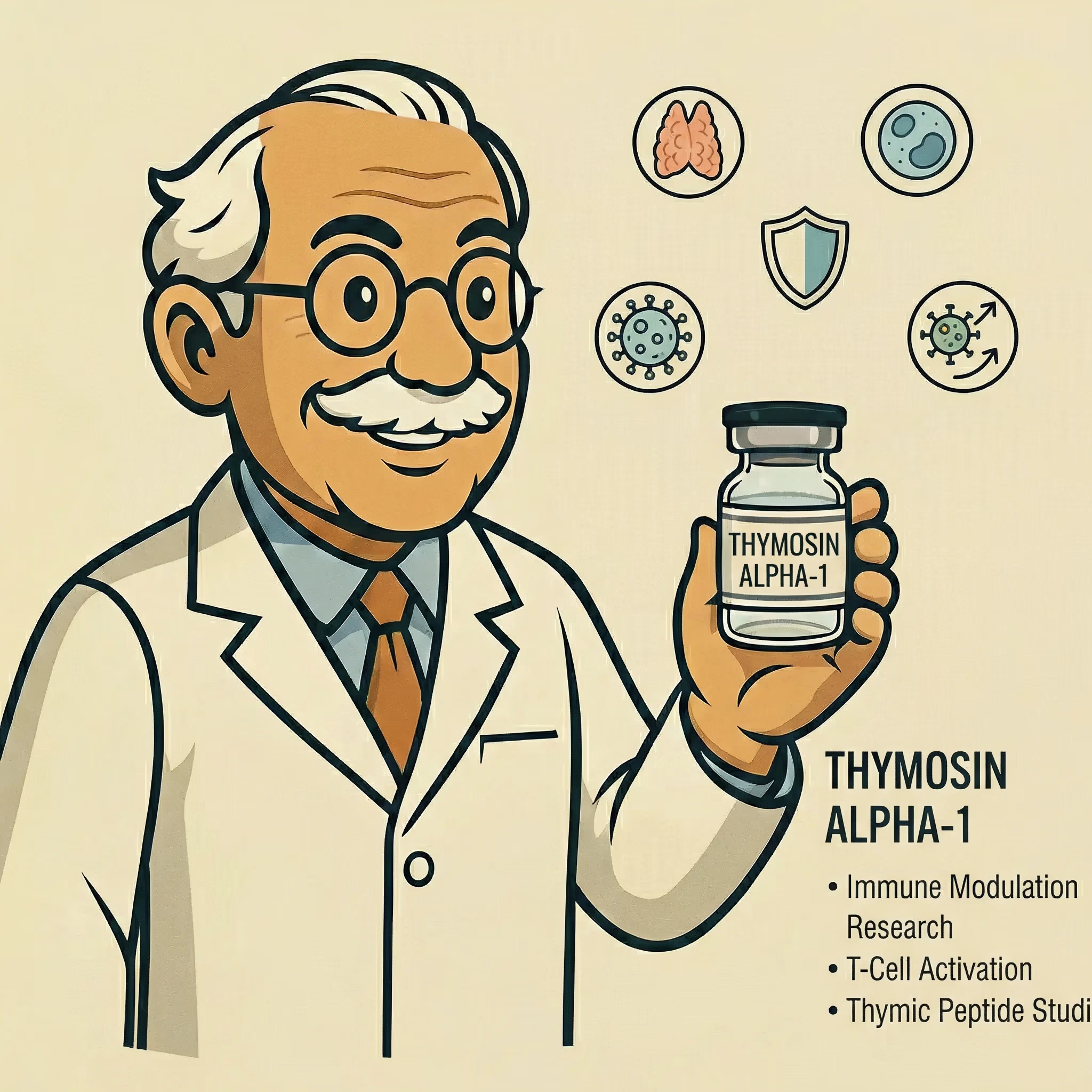
# Thymosin Alpha-1: Immune Modulation Research and Applications
Thymosin Alpha-1 (Tα1) is a multifunctional peptide with potent immunomodulatory properties. Several preclinical and clinical studies have explored its therapeutic potential in a variety of medical conditions, including severe acute pancreatitis, post-acute sequelae of SARS-CoV-2 infection, chronic obstructive pulmonary disease (COPD), acute aortic dissection, and pulmonary tuberculosis. This review provides an overview of the current understanding of the immune modulation effects of Tα1 and its therapeutic applications.
## Preclinical Research
Tα1 has been shown to exert immune-modulatory effects by acting on dendritic cells (DCs). DCs are key players in the immune system that serve as a bridge between innate and adaptive immunity [3]. Tα1 modulates the immune response by influencing the immune synapse in human cytomegalovirus (HCMV) infection [3]. This suggests that Tα1 may have a broad-spectrum effect on immune modulation, although direct evidence in humans is not provided in the referenced studies.
## Clinical Evidence
Clinical research has demonstrated the efficacy of Tα1 in a variety of settings. In patients with severe acute pancreatitis, Tα1 was shown to alleviate inflammation and prevent infection through immune regulation [1]. A systematic review and meta-analysis revealed that Tα1, in addition to routine treatment, had beneficial effects in patients experiencing an acute exacerbation of COPD [4]. Moreover, a combination of Tα1 and the 2HRZE/4HR regimen was found to potentially improve immune function, pulmonary function, and inflammatory response in pulmonary tuberculosis [6].
In the context of post-acute sequelae of SARS-CoV-2 infection, Tα1 restored immune homeostasis in lymphocytes [2]. Similarly, research has shown that Tα1 has immunomodulatory properties in SARS-CoV-2 infection by affecting the innate inflammatory response [8]. Moreover, Tα1 has been reassessed for its role in lung infections, including COVID-19, highlighting its potential relevance in the current pandemic scenario [7].
Tα1 has also been found to have a positive effect on immune response and organ function in acute aortic dissection surgery [5]. In patients with colorectal cancer, Tα1 improved perioperative immune function and influenced long-term prognosis [9]. Furthermore, Tα1 was found to potentially restore immune response in immunological nonresponders living with HIV [10].
## Safety and Limitations
While Tα1 has shown promise in a variety of clinical settings, more research is needed to fully understand its safety profile. The referenced studies have not reported serious adverse events associated with its use. However, given the complex interactions of Tα1 with the immune system, potential side effects and interactions with other treatments should be carefully monitored in future studies.
Furthermore, while the available evidence supports the immunomodulatory role of Tα1, direct human evidence for some claims, such as its effects on DCs, is not provided in the referenced studies. More research is needed to understand the precise mechanisms through which Tα1 exerts its immune-modulatory effects.
## Key Takeaways
Tα1 is a potent immunomodulatory peptide with therapeutic potential in a range of medical conditions, including severe acute pancreatitis, COPD, pulmonary tuberculosis, post-acute sequelae of SARS-CoV-2 infection, acute aortic dissection, colorectal cancer, and HIV infection.
While the current evidence supports the use of Tα1 in these settings, more research is needed to establish its safety profile and understand the precise mechanisms of its action. Nevertheless, Tα1 represents a promising avenue for immune modulation therapy, with potential applications in a variety of clinical contexts.
Research Disclaimer: This content is for educational and research purposes only. Not intended as medical advice. Always consult qualified healthcare professionals for medical guidance. Information presented is based on current research which may be preliminary or ongoing.
Last updated: January 14, 2026