Anti-Aging Peptides 3 min read
Thymalin: Thymus Extract Peptide Immune Research
Thymalin research examines thymus extract peptide applications in immune system modulation and anti-aging protocols. Clinical studies investigate T-cell functio...
By Professor Peptides Editorial Team
January 1, 2025
460 words
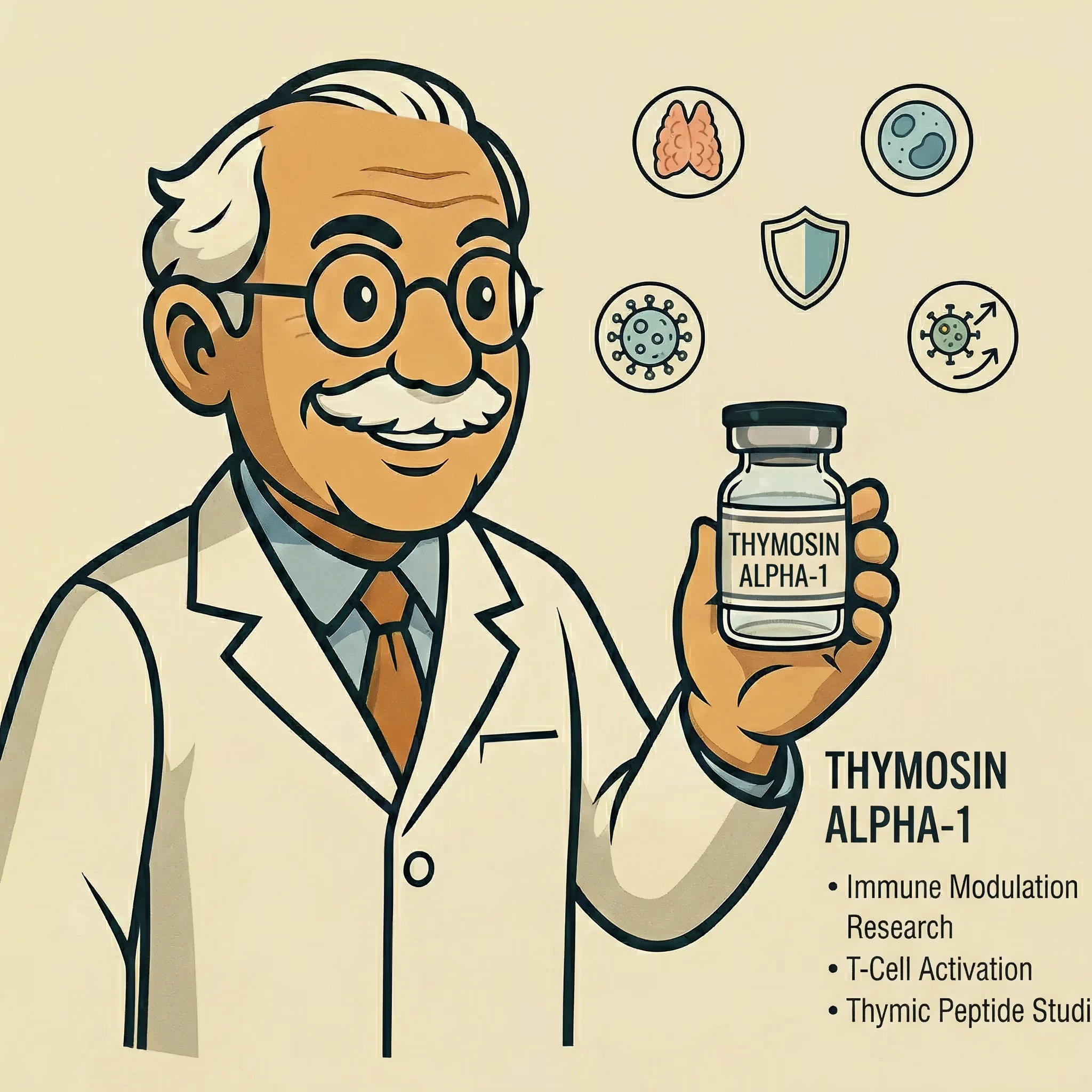
# Introduction
Thymalin, a peptide drug derived from thymus extracts, has been the subject of numerous studies due to its potential benefits on the immune system [4]. This drug is composed of KE and EW dipeptides, which are believed to exert a significant influence on gene expression and protein synthesis, processes that play crucial roles in pathogen defense such as in the case of COVID-19 [1][2].
# Preclinical Research
Thymalin's biological activity is believed to be primarily rooted in its immunocorrection capabilities, which involve the regulation of the immune response to ensure optimal function [5]. Preclinical studies have shown that Thymalin can influence gene expression and protein synthesis [1][2]. However, the details of these effects are not fully understood, and further research is needed to elucidate the exact mechanisms through which Thymalin exerts these bioactive effects.
# Clinical Evidence
Clinical trials have been conducted to investigate the effects of Thymalin on human health, particularly in relation to its potential benefits for the immune system. Specifically, Thymalin has been found to regulate the immune status in older patients with severe COVID-19 [3]. This suggests that Thymalin could potentially be used as a treatment modality for patients suffering from severe forms of viral diseases, such as COVID-19. However, more extensive clinical trials with larger sample sizes are required to confirm these findings and to further explore the therapeutic potential of Thymalin.
# Safety and Limitations
As with any drug, the use of Thymalin carries potential risks and limitations. While Thymalin has shown promising results in terms of its immunocorrection capabilities, it is important to consider potential adverse effects, drug interactions, and other safety concerns associated with its use [5]. Furthermore, while Thymalin has shown potential benefits for the immune system in clinical trials, the evidence is not yet robust enough to support its widespread use for this purpose. More extensive and rigorous trials are required to fully establish the safety and efficacy of Thymalin.
Additionally, the current body of research has not yet fully elucidated the exact mechanisms through which Thymalin exerts its effects on the immune system. Understanding these mechanisms is crucial for predicting potential side effects, determining optimal dosage and treatment protocols, and for the development of more effective and targeted therapies [5].
# Key Takeaways
Thymalin, a thymus extract peptide, has shown potential benefits for the immune system, particularly in the context of severe viral diseases such as COVID-19. Preclinical research suggests that Thymalin can influence gene expression and protein synthesis, while clinical trials have shown potential benefits for immune regulation in older patients with severe COVID-19 [1][2][3]. However, the safety and efficacy of Thymalin are not yet fully established, and further research is needed to confirm these findings and to further explore the therapeutic potential of Thymalin [5].
Last updated: January 13, 2026