Growth Hormone Peptides 3 min read
Sermorelin: GHRH Analog Research Applications
Sermorelin research examines synthetic growth hormone-releasing hormone analog applications in clinical study protocols. Research methodologies investigate GHRH...
By Professor Peptides Editorial Team
January 1, 2025
559 words
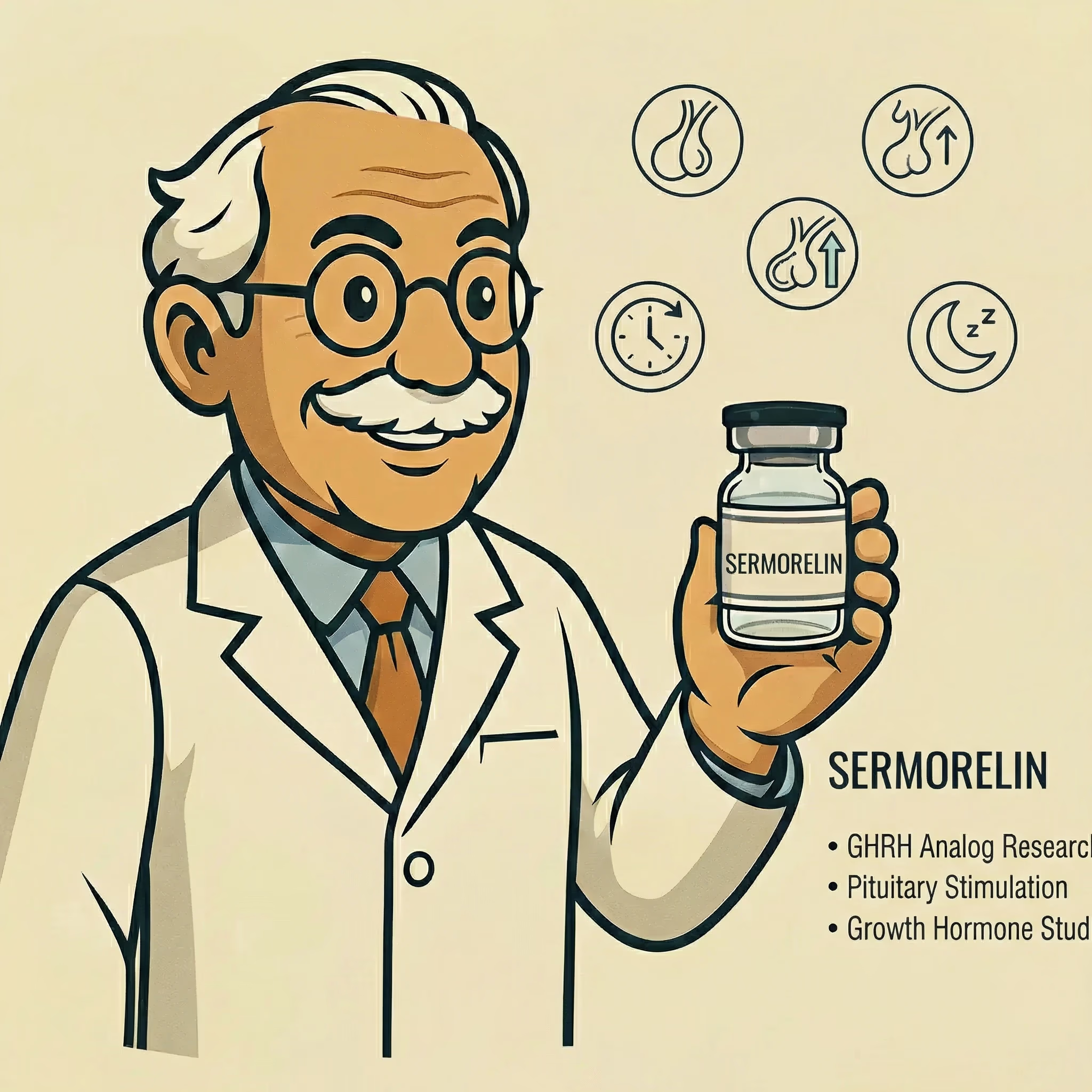
# Sermorelin: GHRH Analog Research Applications
Sermorelin is a synthetic analog of growth hormone-releasing hormone (GHRH). It has been extensively studied for its various potential applications in the field of medical and biochemical research. GHRH is a hormone responsible for the release of growth hormone (GH), a critical regulator of cell growth, metabolism, and body composition[1]. This article aims to provide an in-depth review of the research applications of Sermorelin, with a focus on preclinical research and clinical evidence, as well as the safety and limitations of its usage.
## Preclinical Research
Preclinical research has explored the effects of Sermorelin and other GHRH analogs on growth hormone release. In studies conducted on normal men, GHRH analogs like Sermorelin have been shown to elicit growth hormone responses[1]. However, the mechanisms of action are not fully understood and require further investigation.
In a superfusion system study, antagonistic analogs of GHRH, which are substances that inhibit the action of GHRH, were evaluated for their activity. This method allows for the assessment of the inhibitory effects of these antagonistic analogs on GH release[2]. Other studies on rats have also shown the effects of acute and chronic administration of GHRH antagonists, demonstrating their ability to inhibit GH release[3][4].
Furthermore, systematic structure-activity relationship studies have been conducted on human growth hormone-releasing hormone hGHRH(1-29)-NH2, revealing valuable insights into its functional roles[5].
## Clinical Evidence
While clinical evidence on the research applications of Sermorelin and other GHRH analogs is limited, certain studies have suggested potential therapeutic uses. For instance, GHRH antagonists have been shown to reduce the invasive and metastatic potential of human cancer cell lines in vitro[6]. This suggests a potential therapeutic role in limiting the progression of certain types of cancer.
In relation to prostate health, GHRH antagonists have demonstrated the ability to reduce prostate size in cases of experimental benign prostatic hyperplasia[7]. This could potentially lead to new therapeutic strategies for managing benign prostatic hyperplasia, a common condition in older men characterized by the enlargement of the prostate gland.
Another study has shown that an agonist of GHRH, which promotes the action of GHRH, can enhance retinal ganglion cell protection induced by macrophages after optic nerve injury[9]. This may offer potential therapeutic benefits in ocular health, particularly in conditions related to optic nerve damage.
## Safety and Limitations
The safety and limitations of Sermorelin and other GHRH analogs are crucial aspects to consider. While preclinical research and clinical studies have demonstrated potential benefits, the safety profile of these substances is not fully established. Furthermore, the mechanisms of action, particularly in humans, are not entirely understood[8].
There is also a need for reliable detection methods for GHRH synthetic analogs like Sermorelin. Advances in detection methods have been reported, which could aid in monitoring the use and potential misuse of these substances[10].
## Key Takeaways
Sermorelin is a synthetic analog of GHRH with a variety of potential research applications. Preclinical research has provided insights into its effects on GH release and the structure-activity relationships of GHRH analogs. Clinical evidence suggests potential therapeutic roles in cancer, benign prostatic hyperplasia, and ocular health. However, safety, limitations, and the need for reliable detection methods highlight areas for future research. As our understanding of Sermorelin and other GHRH analogs continues to evolve, it is crucial to continue investigating their potential applications and implications in the medical and biochemical research fields.
Last updated: January 14, 2026