Weight Management 3 min read
Comprehensive Guide to Semaglutide: Benefits, Dosage, and Results
Everything you need to know about Semaglutide for weight loss and diabetes management.
By Professor Peptides Editorial Team
October 1, 2024
556 words
# Introduction to Semaglutide
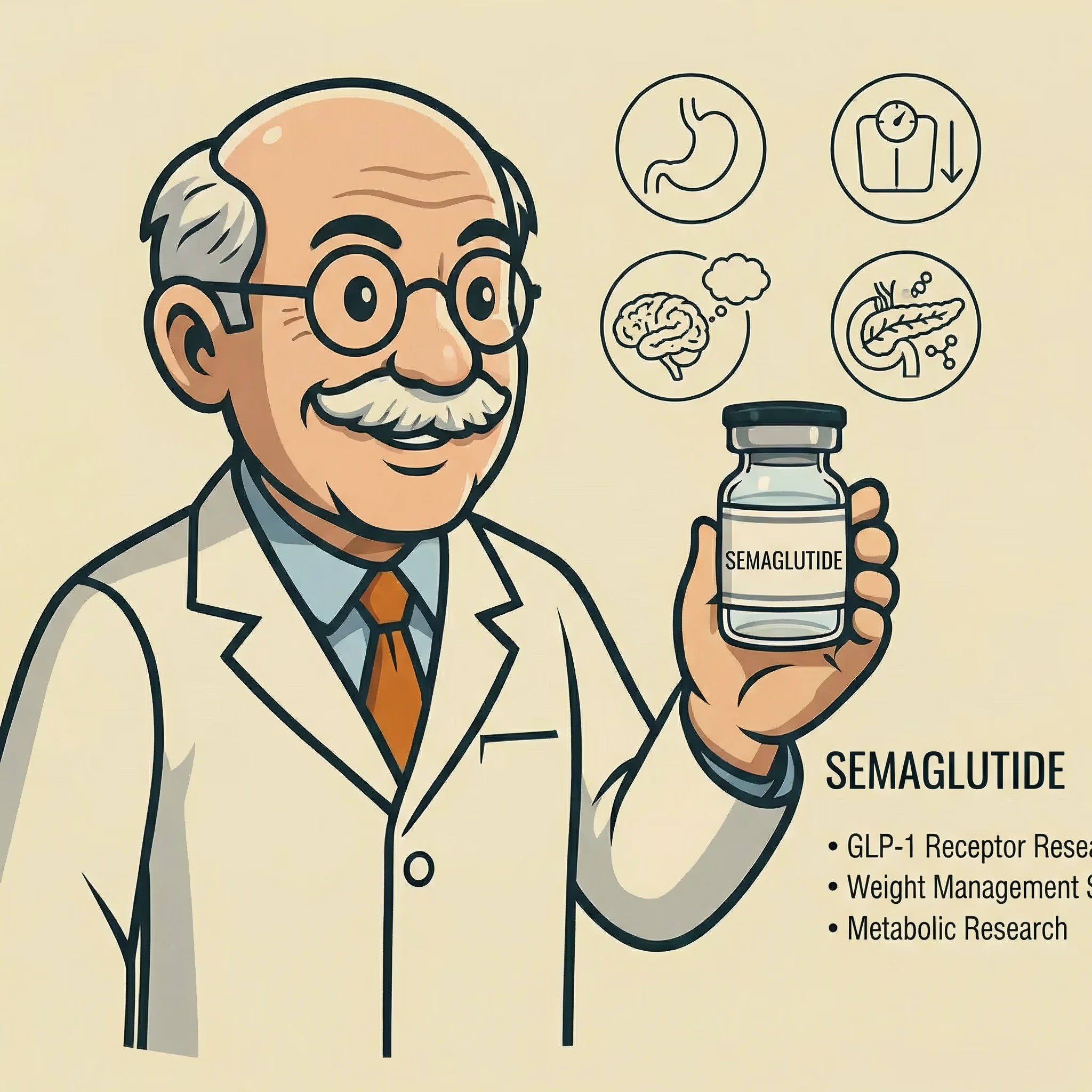
Semaglutide is a glucagon-like peptide-1 (GLP-1) receptor agonist used in the treatment of type 2 diabetes mellitus and obesity. It works by mimicking the functions of the natural hormone GLP-1, which is involved in regulating blood sugar levels and reducing appetite [14]. This medication is available in two forms: subcutaneous and oral [13].
# Preclinical Research
Preclinical studies on semaglutide have shown promising results. In aging rats with diet-induced obesity, semaglutide was found to significantly reduce body weight and levels of glucose and insulin [15]. These findings suggest potential benefits of semaglutide in enhancing glucose control and weight management.
# Clinical Evidence
## Diabetes Management
In patients with type 2 diabetes mellitus, semaglutide has shown positive impacts on cardiovascular outcomes. Both subcutaneous and oral forms of semaglutide were found to improve cardiovascular outcomes compared to the control group in a meta-analysis of randomized controlled trials [5]. Another study showed semaglutide to be comparable in its effects on cardiovascular outcomes with another GLP-1 receptor agonist, dulaglutide, in adults with type 2 diabetes and established atherosclerotic cardiovascular disease [8].
Semaglutide has also been demonstrated to be a critical part of diabetes therapy, specifically in the modulation of incretin, a group of metabolic hormones that stimulate a decrease in blood glucose levels. This modulation has been associated with improved cardiovascular and renal outcomes [11].
## Obesity Management
Semaglutide has shown to be effective in managing obesity. A systematic review of randomized controlled trials found that semaglutide induced weight loss in adults with obesity, but the weight tends to be regained after the intervention [10]. However, the use of semaglutide was found to yield higher weight loss than lifestyle intervention alone [10].
In comparison to other obesity interventions, such as bariatric surgery, GLP-1 receptor agonists like semaglutide showed comparable effects on cardiovascular outcomes and mortality [3]. However, the use of semaglutide was associated with lower out-of-pocket costs over two years compared to Roux-en-Y Gastric Bypass surgery in insured patients with type 2 diabetes and obesity [6].
# Safety and Limitations
While semaglutide has demonstrated effectiveness in managing diabetes and obesity, there are safety considerations and limitations to its use.
In terms of safety, there is a risk of non-arteritic anterior ischaemic optic neuropathy with semaglutide use for diabetes and weight loss [9]. An investigation comparing the fracture risk following semaglutide treatment versus sleeve gastrectomy found no significant difference between the two interventions [12].
On the other hand, the use of semaglutide in males has been associated with alterations in reproductive hormones and semen parameters, although further research is needed to clarify the clinical significance of these findings [7].
# Key Takeaways
Semaglutide is a promising treatment option for type 2 diabetes mellitus and obesity due to its effectiveness in improving glucose control, enhancing weight loss, and improving cardiovascular outcomes. However, it is important to consider the safety profile and potential side effects of semaglutide, including the risk of optic neuropathy and changes in reproductive hormones in males. Furthermore, while semaglutide has shown to help in weight loss, recurrent weight gain after intervention cessation is a limitation [10].
Despite these considerations, semaglutide offers a less invasive and cost-effective alternative to surgical interventions like bariatric surgery for obesity management. Ultimately, the choice of treatment should be individualized, taking into account the patient's specific circumstances, preferences, and treatment goals.
Last updated: January 13, 2026