Research Methodologies 3 min read
Peer Review Process for Peptide Research Publications
Peer review standards for peptide research publications emphasize methodological rigor, statistical validity, and appropriate interpretation of peptide-specific...
By Professor Peptides Editorial Team
January 1, 2025
555 words
# Peer Review Process for Peptide Research Publications
Scientific research is a rigorous process, and peptide research is no exception. The dissemination of findings in the form of research publications is a crucial step in this process. One essential aspect of this dissemination process is peer review, which helps ensure the quality and credibility of scientific literature. This article provides a comprehensive review of the peer review process for peptide research publications.
## Preclinical Research
In the field of peptide research, preclinical studies play a vital role in establishing the foundational knowledge and understanding of the biochemical interactions and effects of peptides[4]. This early-stage research often involves in vitro experiments and animal studies to evaluate peptide efficacy, safety, and mechanism of action. It is crucial that publications reporting preclinical peptide research are thoroughly peer-reviewed to ensure the validity and reliability of the findings[3].
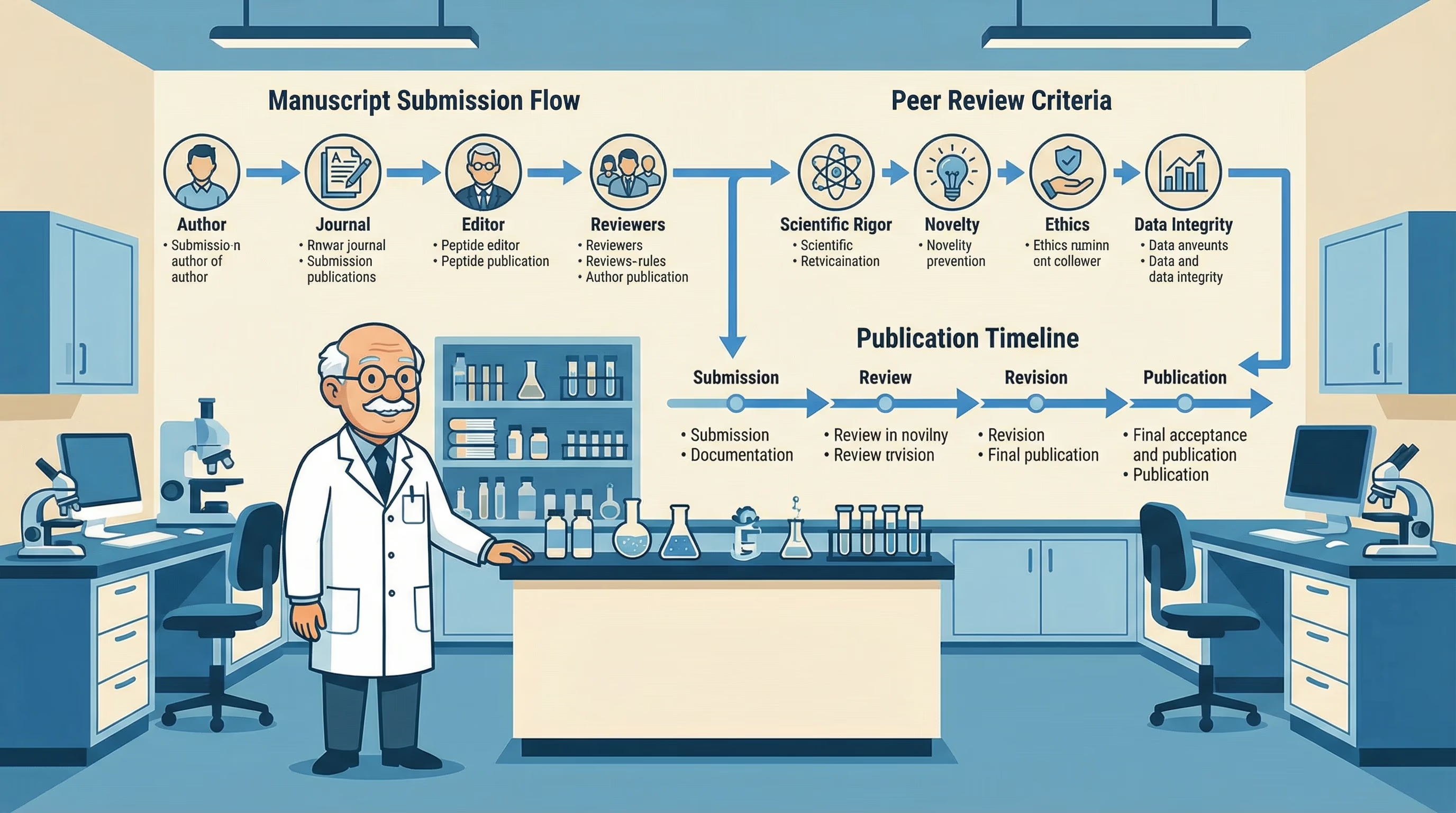
The peer review process begins when a research team submits their manuscript to a relevant scientific journal. Editors first review the manuscript to ensure it meets the journal's scope and basic quality standards. If the manuscript passes this initial screening, it is sent to peer reviewers - usually experts in the field of peptide research - for a more detailed evaluation[4].
## Clinical Evidence
After preclinical studies, peptides may move into clinical trials, where their effects are studied in human subjects[1]. Clinical research findings are often more complex and nuanced, with considerations such as dosage, administration route, and individual patient characteristics coming into play. Because of the direct impact on human health, it is imperative that clinical peptide research publications undergo a thorough and rigorous peer review process[2].
Peer reviewers evaluate the study design, methodology, statistical analyses, interpretation of results, and ethical considerations. They look for potential biases, errors, or inconsistencies and assess whether the study's conclusions are supported by the data[2]. Reviewers provide feedback to the authors and suggest improvements. They also recommend whether the manuscript should be accepted, revised, or rejected[5].
## Safety and Limitations
The peer review process also plays a crucial role in assessing the safety and limitations of peptide research. Peer reviewers scrutinize the safety data presented in the manuscript, looking closely at adverse events reported in clinical trials or toxicity findings in preclinical studies[7]. They also evaluate whether the authors have adequately discussed the limitations of their study, such as potential confounding factors, limitations in sample size, or issues with generalizability[7].
Publications that fail to adequately address safety and limitations may lead to misleading interpretations and potentially harmful clinical decisions. Thus, the rigorous peer review process is essential to ensure the quality and integrity of peptide research publications[6].
## Key Takeaways
The peer review process plays a vital role in maintaining the rigor and credibility of peptide research publications. It involves a thorough evaluation of the manuscript by experts in the field, assessing the validity and reliability of the research methods and findings, the safety and limitations of the study, and the overall contribution to the field[8].
While the peer review process is not without its challenges and limitations, it remains a cornerstone of scientific research, driving the advancement of knowledge and ensuring that only high-quality, credible research is published[10]. Through continuous refinement and evolution, the peer review process will continue to uphold the standards of scientific research and contribute to the progress of peptide research.
Last updated: January 14, 2026