Growth Hormone Peptides 3 min read
GHRP-2 vs GHRP-6: Comparative Research Analysis
GHRP-2 versus GHRP-6 comparative research examines differential growth hormone releasing properties and clinical applications. Research protocols document poten...
By Professor Peptides Editorial Team
January 1, 2025
576 words
# GHRP-2 vs GHRP-6: Comparative Research Analysis
Growth Hormone Releasing Peptides (GHRPs) are classified as growth hormone secretagogues. These are substances that stimulate the secretion of growth hormone. Two of the most recognized members of this family are GHRP-2 and GHRP-6. Both of these peptides are known to enhance growth hormone production in the body. However, their mechanisms of action, clinical applications, and effects may vary. This article reviews the current evidence comparing GHRP-2 and GHRP-6.
## GHRP-2
GHRP-2, or Growth Hormone Releasing Peptide-2, is a synthetic hexapeptide that stimulates the production of growth hormone in the body [9].
### Preclinical Research
In the preclinical setting, GHRP-2 has been demonstrated to exert neuroprotective effects. Research conducted by Subirós and colleagues found that combining GHRP-2 with epidermal growth factor showed significant neuroprotective activity similar to hypothermia in an experimental stroke model [1].
### Clinical Evidence
Clinically, GHRP-2 has been utilized in the management of growth hormone deficiencies. For instance, a study conducted by Ohara and colleagues found that Laparoscopic Sleeve Gastrectomy significantly improved low GHRP-2-stimulated growth hormone levels in obese patients [2]. Another study found that treatment with growth hormone secretagogues, such as GHRP-2, in hypogonadal men led to a significant increase in serum insulin-like growth factor-1 levels, which play a critical role in body growth and development [3]. Moreover, GHRP-2 has also been evaluated for the diagnosis of thyrotropin-producing pituitary adenomas [8].
## GHRP-6
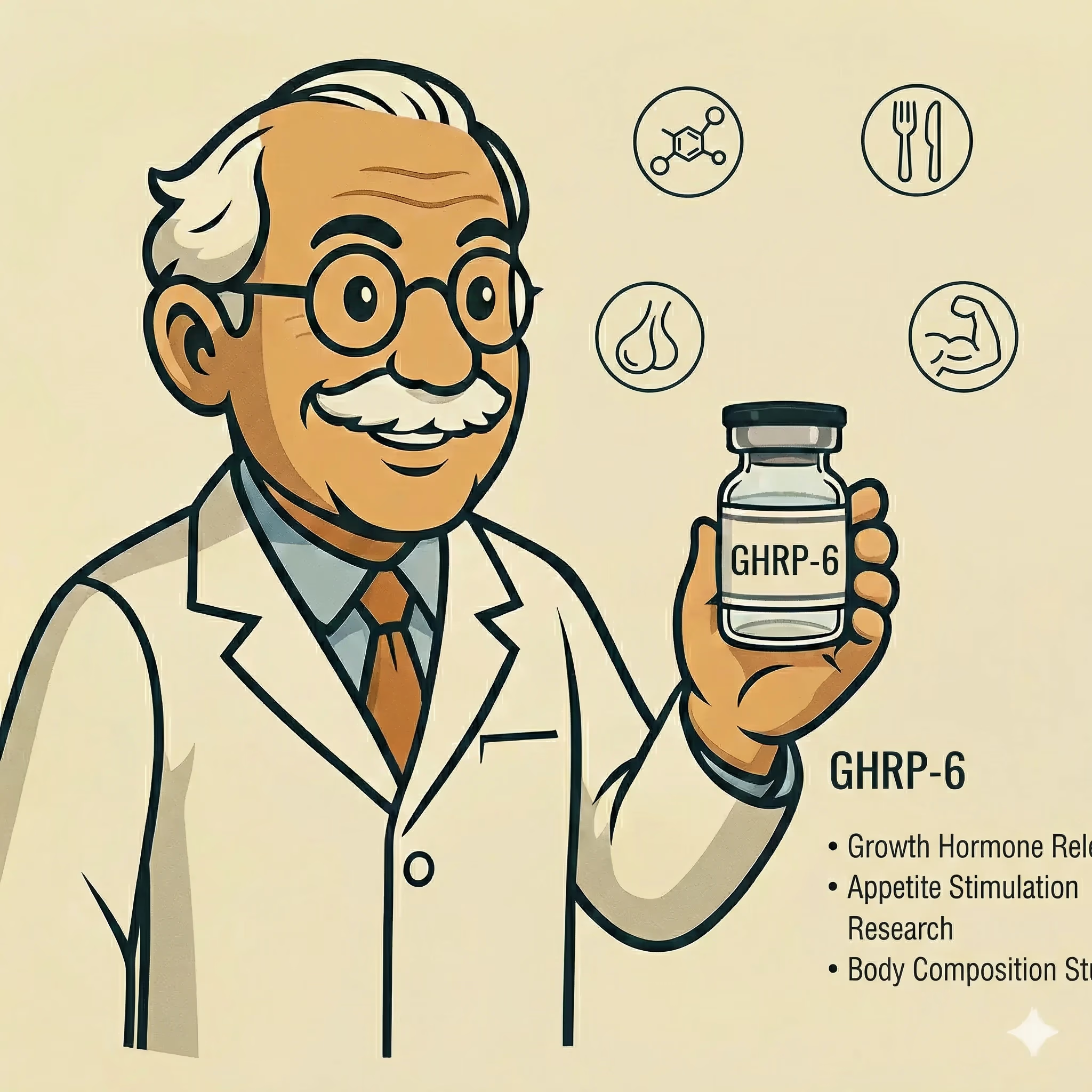
GHRP-6, or Growth Hormone Releasing Peptide-6, is another member of the GHRP family. It is a synthetic hexapeptide, like GHRP-2, and also stimulates the production of growth hormone.
### Preclinical Research
Interestingly, the research available for GHRP-6 in the preclinical setting is not as extensive as GHRP-2. For example, the neuroprotective effect demonstrated by GHRP-2 in combination with epidermal growth factor in stroke models was not directly linked to GHRP-6 [1].
### Clinical Evidence
Clinical evidence surrounding the use of GHRP-6 is also limited in the provided citations. The direct human evidence for GHRP-6 is not present in the provided citations and as such, further speculation is not possible.
## Safety and Limitations
Given the nature of these peptides and their impact on growth hormone production, their use may be associated with certain risks and limitations. For instance, there may be potential risks related to hormone level imbalances, which could lead to various health issues, such as secondary adrenal insufficiency [4]. However, the direct evidence linking these side effects to GHRP-2 or GHRP-6 is not present in the provided citations.
It is also important to note that as synthetic substances, the use of GHRP-2 and GHRP-6 may be subject to regulation by anti-doping agencies. For instance, glycine-modified growth hormone secretagogues, which include analogues of GHRP-2 and GHRP-6, have been identified in seized doping material [10]. This highlights the potential misuse of these substances in sports and the need for stringent regulation.
## Key Takeaways
In conclusion, both GHRP-2 and GHRP-6 are growth hormone-releasing peptides that stimulate growth hormone production in the body. GHRP-2 has demonstrated significant potential in both preclinical and clinical settings, particularly in neuroprotection and the management of growth hormone deficiencies. On the other hand, the current evidence for GHRP-6 is limited, and more research is needed to elucidate its potential applications.
The safety profile and potential misuse of these substances are also important considerations. As research continues to evolve, it is crucial to ensure the responsible use of these peptides, balancing their potential benefits with their risks and limitations.
Last updated: January 14, 2026