Healing Peptides 3 min read
BPC-157 Tissue Repair Research: Comprehensive Analysis of Healing Mechanisms
By Professor Peptides Editorial Team
January 1, 2025
509 words
# BPC-157 Tissue Repair Research: Comprehensive Analysis of Healing Mechanisms
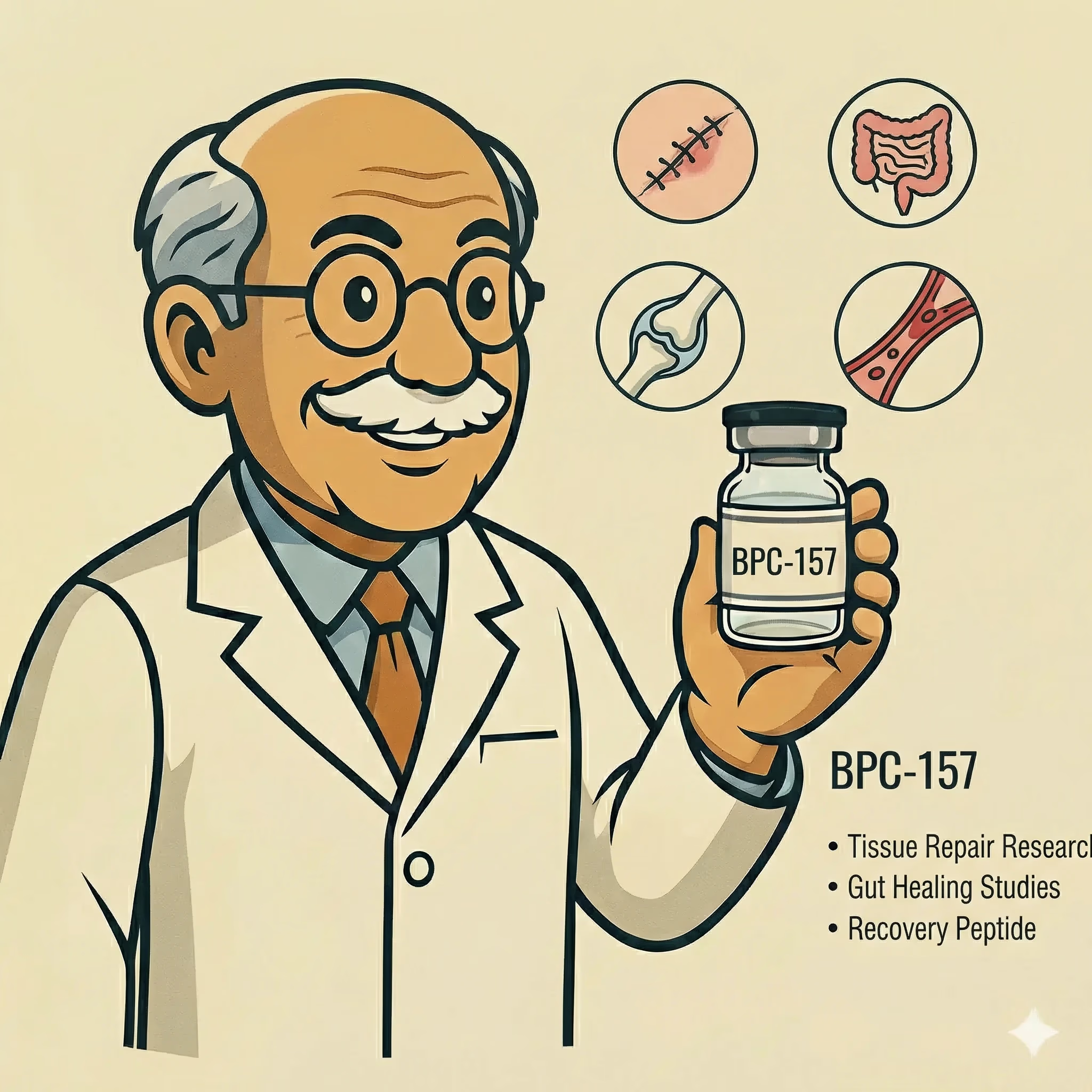
BPC-157, a gastric pentadecapeptide, has recently been the focus of intense scientific research due to its potential therapeutic applications in tissue healing and repair. BPC-157 is a sequence of 15 amino acids, initially isolated from gastric juice, believed to exert a cytoprotective effect [1] [11]. Several preclinical and some clinical studies have explored the healing mechanisms of BPC-157 in various tissues, including the gastrointestinal tract, cardiovascular system, nervous system, and musculoskeletal system. However, a comprehensive understanding of its healing mechanisms is still evolving.
## Preclinical Research
BPC-157 has been investigated extensively in animal models for its potential in promoting tissue healing. One of the earliest studies performed on BPC-157 showed its osteogenic effect, promoting healing of segmental bone defects in rabbits [2]. This study compared the effects of BPC-157 with bone marrow and autologous cortical bone implantation, concluding that BPC-157 significantly improved bone healing.
BPC-157 has also demonstrated a promising role in mitigating corticosteroid-impaired healing in burned mice, suggesting a potential application in burn patients [3]. Additionally, studies have shown that BPC-157 could reverse heart failure induced by doxorubicin, a chemotherapy drug known to cause cardiotoxicity [4].
Neuroprotective effects of BPC-157 have been explored as well. It has shown anxiolytic effects in animal models, suggesting potential use for anxiety-related disorders [5]. The compound has also been studied for its effects on serotonin synthesis in the brain, indicating possible applications in neurological and psychiatric disorders [6].
In cancer research, BPC-157 has demonstrated potential in combating cancer cachexia, a debilitating condition characterized by severe muscle wasting and weight loss [8].
## Clinical Evidence
While preclinical research has shown promising results, clinical data on BPC-157 is limited. However, a pilot study involving humans has been conducted to evaluate the safety of intravenous infusion of BPC-157 [10]. The study found that the compound was well-tolerated, paving the way for further clinical trials.
## Safety and Limitations
As with any therapeutic compound, safety considerations are paramount. Although BPC-157 has demonstrated beneficial effects in preclinical studies, data on its safety in humans is lacking. The aforementioned pilot study provides some reassurance regarding its safety, but more comprehensive trials are needed to fully ascertain its safety profile [10].
Concerns have also been raised about the metabolic profile of BPC-157. One study used a stable isotope labeling-based non-targeted strategy to characterize the in vitro metabolic profile of BPC-157, which could be important for doping control [9].
## Key Takeaways
BPC-157, a gastric pentadecapeptide, has shown promise in numerous preclinical studies for its potential therapeutic applications in tissue healing and repair. Its healing mechanisms have been explored in various tissues, including the gastrointestinal tract, cardiovascular system, nervous system, and musculoskeletal system. However, clinical data on BPC-157 is limited, and more comprehensive trials are needed to fully ascertain its safety and efficacy in humans.
The future of BPC-157 in clinical applications looks promising but requires further investigation. As research progresses, this compound may offer a novel approach to promote tissue repair and healing in a variety of clinical contexts.
Last updated: January 14, 2026