Peptide Basics 3 min read
What Are Peptides: Fundamental Structure and Function
Peptides are short chains of amino acids linked by peptide bonds, typically containing 2-50 amino acid residues. These molecules serve as fundamental building b...
By Professor Peptides Editorial Team
January 1, 2025
549 words
# Introduction
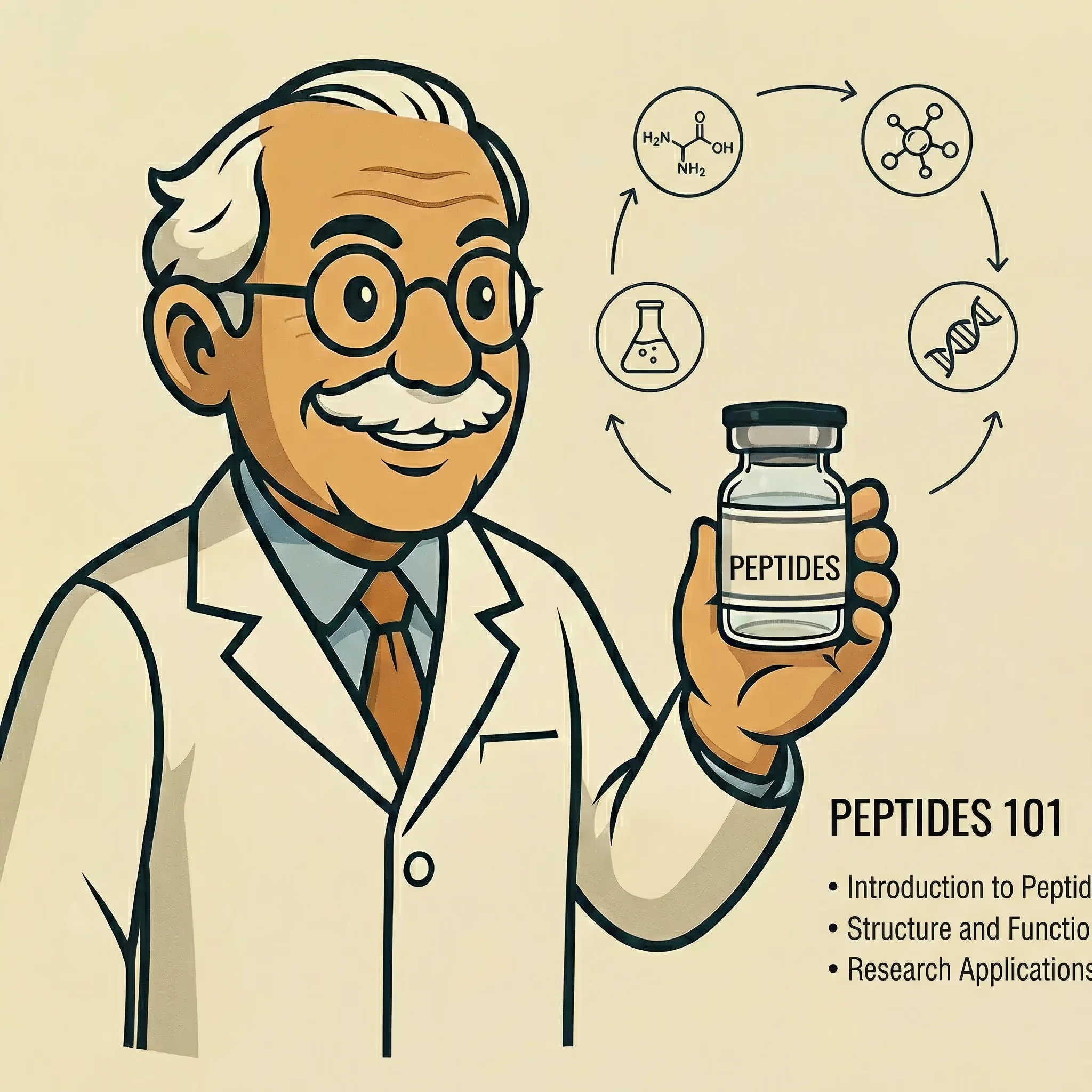
Peptides are short chains of amino acids linked together by peptide bonds [2]. These biological molecules play multifaceted roles in various biological systems, contributing to functions such as signaling, immune response, and metabolism [2]. Understanding the fundamental structure and function of peptides provides insights into their potential applications across various fields, including medicine, biochemistry, and biotechnology [2].
# Peptide Structure
Peptides, like proteins, are polymers of amino acids [2]. However, they differ from proteins in terms of size. Peptides typically consist of between 2 and 50 amino acids while proteins contain more than 50 amino acids [2]. The specific sequence and composition of amino acids in a peptide determine its unique structure and function [2].
## Preclinical Research
Preclinical studies have significantly contributed to our understanding of peptide structure and function [2]. Advanced computational analysis methods are utilized to investigate the structure and function of miniproteins, which are small proteins or large peptides [2]. These studies have revealed that the topology and folding of peptides are influenced by the sequence and arrangement of amino acids, which subsequently dictate their function [2].
# Function of Peptides
Peptides perform a myriad of functions in biological systems. Their roles range from intracellular signaling to immune response modulation, and their functions are usually tied to their structure [2].
## Preclinical Research
Preclinical research has uncovered various roles of peptides. For example, peptides have been found to regulate leaf senescence and confer drought tolerance in maize [5]. Additionally, peptides known as umami peptides have been identified in edible fungi that contribute to the characteristic umami taste [3]. Furthermore, targeted quantum dot structures, a type of nanoparticle often conjugated with peptides, have been shown to enhance cancer treatment [1]. These studies highlight the diverse functional roles peptides can play in different biological contexts.
# Clinical Evidence
In the clinical setting, peptides have been utilized for various therapeutic applications. Their small size, specific binding affinity, and biocompatibility make them attractive candidates for drug development and targeted therapy [2].
A clinical study has demonstrated the sustained effects of bioactive collagen peptides on skin health [8]. Participants who consumed bioactive collagen peptides showed significant improvements in skin elasticity, hydration, and wrinkling compared to those who took a placebo [8]. This study underscores the potential of peptides as therapeutic agents in the field of dermatology.
# Safety and Limitations
While peptides hold promise for various applications, there are also safety considerations and limitations to their use.
Peptides, due to their small size and high specificity, may have fewer side effects compared to conventional drugs [2]. However, their stability, bioavailability, and potential immunogenicity need to be considered during drug development [2]. Moreover, the in vivo behavior of peptides can be influenced by various factors such as atmospheric temperature variations, which could potentially affect the therapeutic outcomes in patients [7].
# Key Takeaways
Peptides, as short chains of amino acids, play crucial roles in various biological systems. Their structure and function are dictated by the sequence and arrangement of amino acids. Preclinical and clinical studies have demonstrated the diverse roles of peptides, from enhancing umami flavor in food to improving skin health, and even in potential applications in targeted cancer therapy. However, safety considerations and limitations, such as stability and bioavailability, need to be considered in their therapeutic applications.
Last updated: January 14, 2026