Peptide Basics Intermediate Level 3 min read
Quality Control in Peptide Manufacturing
Quality control in peptide manufacturing encompasses comprehensive analytical testing protocols to ensure purity, identity, and consistency in production proces...
By Professor Peptides Editorial Team
January 1, 2025
535 words
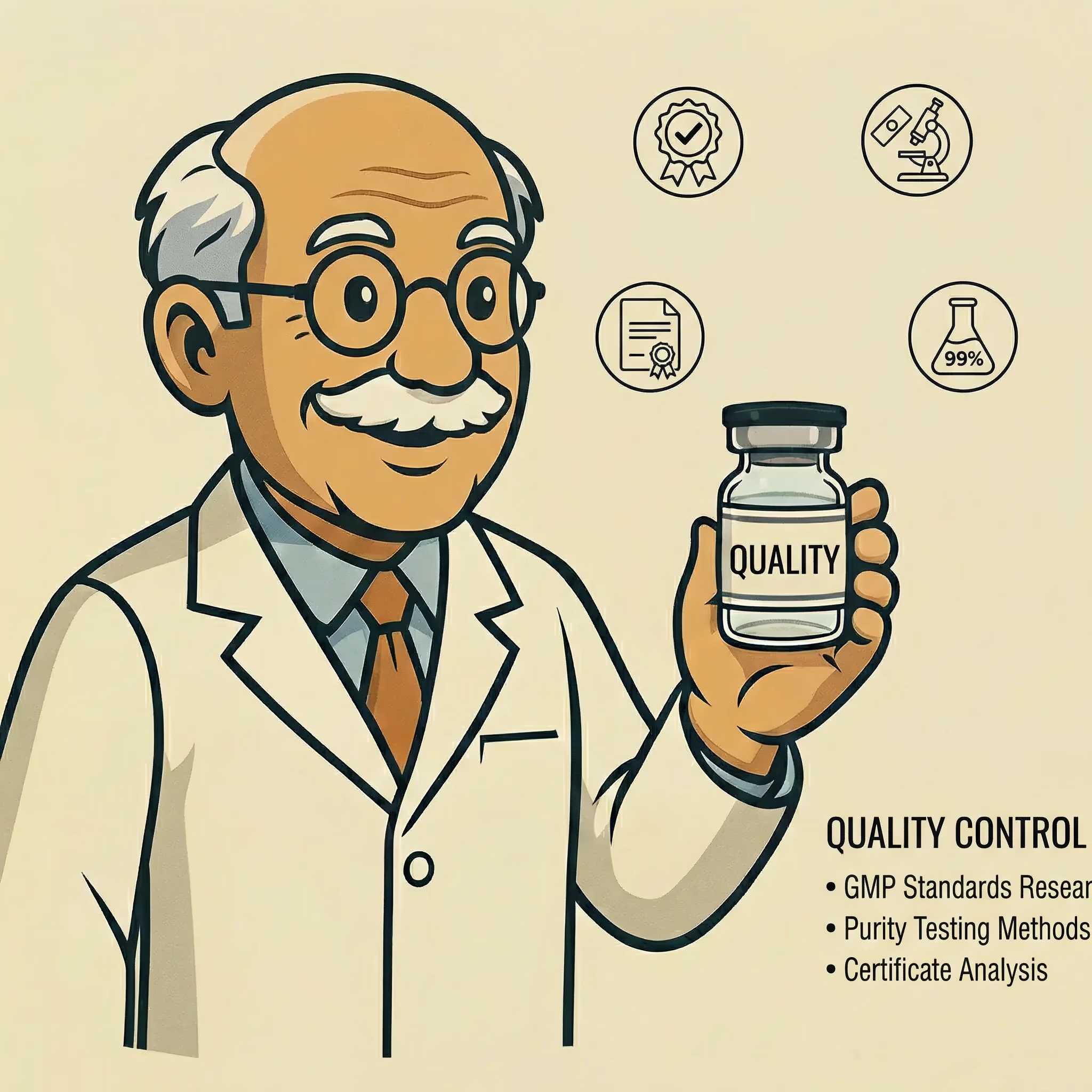
# Quality Control in Peptide Manufacturing
Peptide therapeutics have emerged as a significant field in drug discovery and development due to their unique properties, such as specificity, efficacy, and safety[1]. However, peptide manufacturing presents unique challenges related to quality control, including stability issues, regulatory demands, and formulation solutions[1].
## Preclinical Research
In the early stages of peptide manufacturing, quality control is key to ensuring the production of stable and effective peptides. A significant aspect of this quality control is managing the stability of the peptides. Instability may arise from various factors including oxidation, deamidation, and aggregation[1]. Therefore, understanding these factors and developing strategies to mitigate them is crucial for the production of high-quality peptide products.
One method under preclinical investigation for monitoring critical quality attributes in biologics, including peptides, is the multi-attribute method (MAM)[2]. MAM utilizes mass spectrometry for simultaneous monitoring of multiple quality attributes, offering a comprehensive understanding of the product profile[2]. While this method is promising, its application in peptide manufacturing is still under investigation and faces challenges related to method development, validation, and regulatory acceptance[2].
A novel method for determining N-terminal heterogeneity in the human recombinant follitropin β-subunit has also been developed[5]. This method improves the understanding of the peptide's structure and function, contributing to the quality control in peptide manufacturing[5].
## Clinical Evidence
Quality control methods in peptide manufacturing have shown promising results in clinical applications. For example, the production of whey peptides, which have demonstrated therapeutic benefits in immune tolerance, is guided by stringent quality control measures[3]. Ensuring the quality of these peptides is critical to their clinical effectiveness[3].
Engineered GLP-1R-targeting nanoplatforms, used for multimodal therapeutics in human diseases, also necessitate rigorous quality control during manufacturing to guarantee their safety and efficacy[4]. The manufacturing process of these peptides involves the careful monitoring of their biological properties, which contribute to their therapeutic action[4].
## Safety and Limitations
While advancements in quality control methods have improved peptide manufacturing, there are still safety concerns and limitations to consider. For instance, the differentiation of TNF Receptor 2-Fc Fusion Protein Products from various manufacturers using a Mass Spectrometry-Based Multi-attribute Method (MAM) has been demonstrated[6]. However, the feasibility of this method in real-world settings, and its potential implications for safety, require further investigation[6].
Furthermore, the application of quality control markers in the production of traditional medicines, such as the Japanese medicine Hangeshashinto, has shown potential in identifying anti-inflammatory ingredients[7]. Yet, the broader application of these markers in peptide manufacturing still lacks direct human evidence[7].
## Key Takeaways
In summary, quality control in peptide manufacturing is a complex process that involves the careful management of several factors. Preclinical research has provided promising methods for monitoring critical quality attributes, such as the multi-attribute method[2] and methods for determining N-terminal heterogeneity[5]. Clinical evidence has demonstrated the importance of quality control in the production of therapeutically beneficial peptides[3][4]. However, there are still safety considerations and limitations to be addressed as these methods are translated into real-world settings[6][7].
Innovations in quality control are essential to the future of peptide manufacturing, guiding the production of safe and effective peptide therapeutics. Continuous research and development are needed to address the existing challenges and to further enhance the quality and safety of peptide products.
Research Disclaimer: This content is for educational and research purposes only. Not intended as medical advice. Always consult qualified healthcare professionals for medical guidance. Information presented is based on current research which may be preliminary or ongoing.
Last updated: January 14, 2026