Peptide Basics 3 min read
Peptide Stability: Factors Affecting Degradation
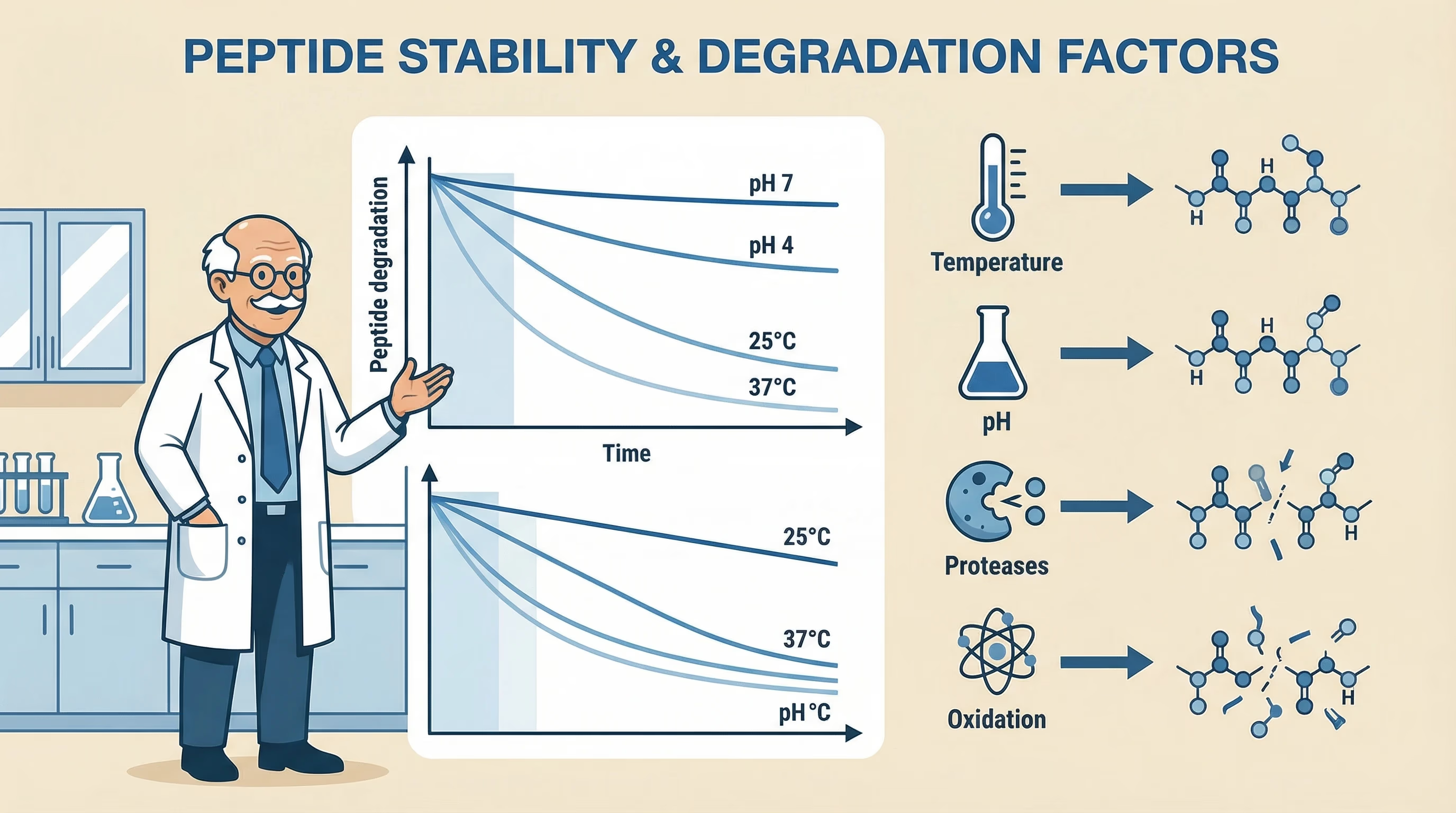
Peptide stability is influenced by multiple factors including temperature, pH, oxidation, and enzymatic degradation. Research protocols examine these stability...
By Professor Peptides Editorial Team
January 1, 2025
543 words
# Introduction to Peptide Stability
Peptides, short chains of amino acids, have emerged as significant players in the therapeutic landscape, offering potential treatment options for various diseases[9]. However, their use in medicine is constrained by their inherent instability, leading to rapid degradation and reduced bioavailability[9]. This article aims to review the factors affecting peptide stability and strategies to overcome degradation.
## Preclinical Research
### Impact of Environmental Factors on Peptide Stability
Peptides are susceptible to degradation through various mechanisms. They can be broken down by enzymes in biological environments[1], and their stability can be compromised by pH changes, temperature fluctuations, and the presence of certain ions[9]. For instance, the oral cavity presents significant barriers to peptide delivery, including enzymatic degradation and the harsh pH conditions of the gastrointestinal tract[1].
### Techniques to Enhance Peptide Stability
To counter these challenges, researchers are investigating advanced pharmaceutical techniques and nano-formulation platforms. These can protect peptides from degradation and improve their bioavailability[1][9]. For instance, nano-formulations such as liposomes and niosomes have been used to enhance peptide stability[2][5].
Liposomes are small spherical vesicles composed of phospholipid bilayers, used to encapsulate peptides for targeted drug delivery. They offer advantages like improved stability, prolonged release, and enhanced cellular uptake[2]. Similarly, niosomes, vesicles formed from non-ionic surfactants, have been used to deliver peptides effectively[5].
Another innovative approach involves the use of oromucosal films for peptide delivery, which use permeation enhancers and polymers to facilitate peptide absorption and protect against degradation[3].
## Clinical Evidence
### Clinical Evidence on Peptide Stability Enhancing Techniques
Several studies have indicated promising results for peptide stability enhancement techniques. For instance, a study demonstrated the efficacy of oridonin-loaded liposomes for targeted lung cancer therapy[2]. Another study showed that niosomal mefloquine and cisplatin led to improved apoptosis and angiogenesis effects in breast cancer treatment[5].
Similarly, the role of GLP-1 (glucagon-like peptide-1) delivery systems, using structural perspectives and formulation approaches, has been investigated to optimize peptide-based therapies[4]. Clinical evidence also shows the potential of transdermal peptide delivery, such as the use of Gecko-derived cathelicidin peptide G3CY-10 in UV-induced skin photoaging[6].
## Safety and Limitations
While peptide stability enhancing techniques have shown promise, there are safety concerns and limitations to consider. The use of nano-formulations, for example, may lead to unintended toxic effects due to their small size and ability to cross biological barriers[7].
Moreover, the effectiveness of these techniques varies depending on the specific peptide and the disease being treated[9]. Also, there's a lack of direct human evidence on the long-term safety and efficacy of these techniques. Furthermore, the cost of developing and manufacturing these advanced delivery systems can be high, which could limit their wide-scale adoption[9].
## Key Takeaways
Peptide stability is a critical factor in the development of peptide-based therapeutics. Environmental factors such as pH, temperature, and enzymes can lead to peptide degradation, limiting their therapeutic potential[1][9]. Preclinical research has shown that techniques such as nano-formulation and use of permeation enhancers can protect peptides from degradation and enhance their stability[1][2][3][5].
Clinical evidence supports the effectiveness of these techniques in enhancing peptide delivery and therapeutic effect[2][4][5][6]. However, there are safety and cost considerations that need to be addressed for their widespread use[7][9]. Further research is required to optimize these techniques and establish their long-term safety and efficacy in humans.
Last updated: January 14, 2026