Peptide Basics 3 min read
Peptide Modifications: Enhancing Stability and Function
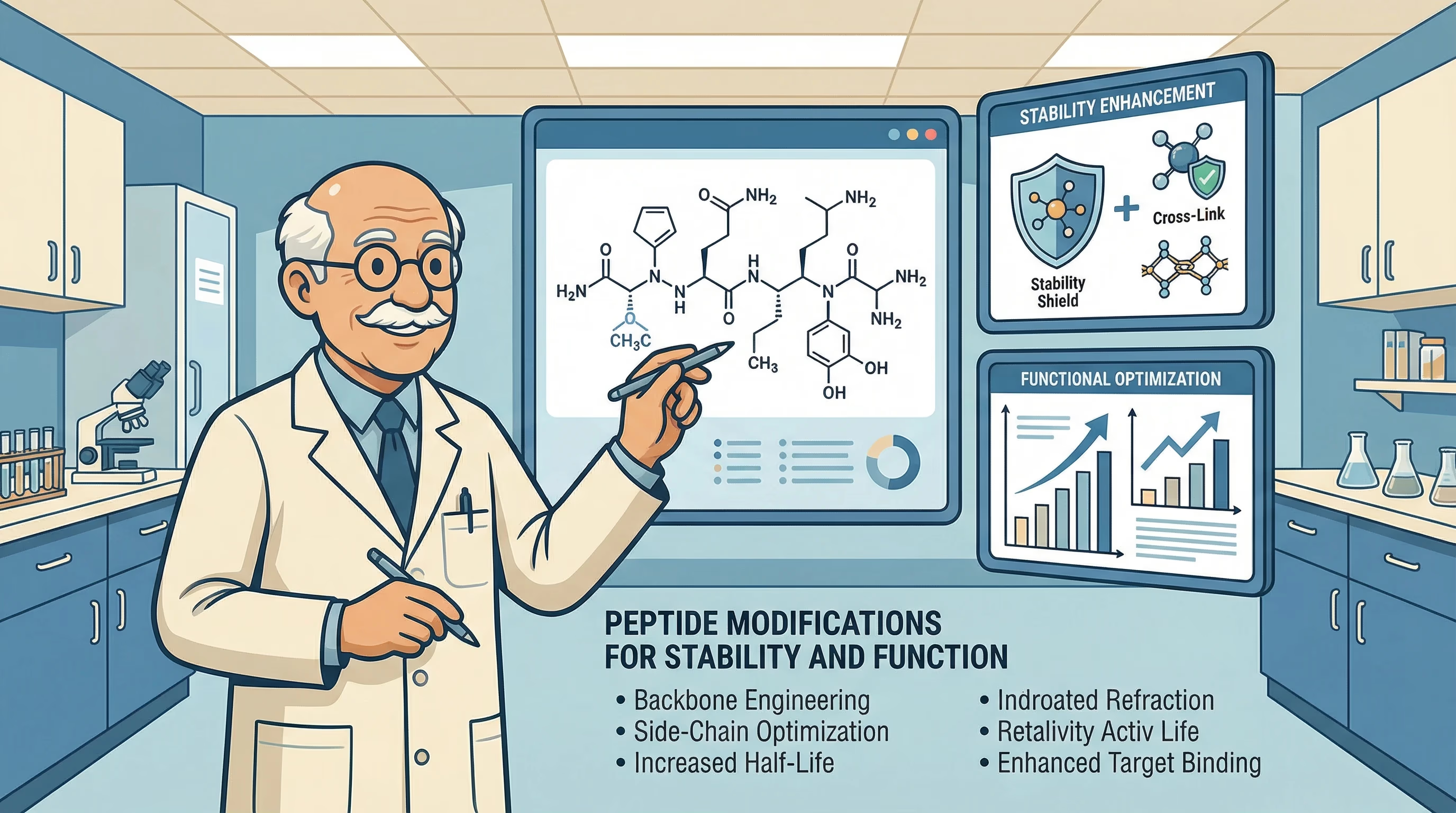
Peptide modifications represent strategic approaches to enhance stability, bioavailability, and functional properties in research applications. Common modificat...
By Professor Peptides Editorial Team
January 1, 2025
551 words
# Introduction
Peptides, short chains of amino acids linked by peptide bonds, are critical components of biological systems, serving as hormones, neurotransmitters, and antibiotics among other functions [1]. However, their therapeutic potential is often limited by their inherent instability and transient nature in physiological conditions. Peptide modifications are thus strategically employed to enhance their stability and function, thereby augmenting their therapeutic utility [1]. This review will provide an overview of the different strategies for peptide modifications and the resulting improvements in stability and function.
# Preclinical Research
## Backbone Engineering
Backbone engineering is one method to enhance peptide stability while preserving its function. A study by He et al. found that atom-level backbone engineering can enhance the stability of peptides without compromising their original function [1]. By altering the peptide backbone at the atomic level, the researchers were able to retain the bioactivity of the peptides while enhancing their stability, making them more suitable for therapeutic applications [1].
## N6-Methyladenosine Modification
Another approach to peptide modification involves the use of N6-methyladenosine (m6A), a common and abundant modification in messenger RNA (mRNA). Sui et al. reported that the YTHDF3 protein can promote m6A modification of SOCS1, inhibiting the JAK1/STAT3 pathway, which is implicated in the pathogenesis of preeclampsia [3]. This demonstrates that m6A modification can improve peptide function, potentially offering a novel therapeutic approach to treat preeclampsia [3].
## Perfluoroalkyl Chain Modification
Perfluoroalkyl chain modification is another strategy used for improving peptide stability and functionality. A study by Ghosh et al. demonstrated that perfluoroalkyl chain-modified artificial viral capsids could enhance the intracellular delivery of mRNA, thus improving the functionality of the peptides [4]. This indicates that perfluoroalkyl chain modification could be a promising approach to increase the therapeutic potential of peptides [4].
## Amphiphilicity and Thermostability Modification
Amphiphilicity and thermostability modification is a technique that can be used to enhance peptide stability and function. Zhang et al. reported that the modification of dipeptidyl peptidase III from Aspergillus terreus HNGD-TM15 resulted in improved thermostability and amphiphilicity, enabling the simultaneous degradation of aflatoxin B(1) and zearalenone [5]. This study suggests that amphiphilicity and thermostability modification can enhance the functionality and stability of peptides, offering a potential strategy for the detoxification of mycotoxins [5].
# Clinical Evidence
There is currently no direct human evidence in the provided citations for the clinical application of peptide modifications for enhancing stability and function.
# Safety and Limitations
While peptide modifications can enhance stability and function, it's important to acknowledge potential safety concerns and limitations. For example, the long-term safety of modified peptides in humans is not well studied, and their potential immunogenicity could pose risks [9]. Additionally, the process of modifying peptides can be complex and time-consuming, potentially limiting their widespread use [6]. Furthermore, the effectiveness of peptide modifications may vary depending on the specific peptide and intended application, necessitating careful optimization and testing [6].
# Key Takeaways
Peptide modifications, including backbone engineering, m6A modification, perfluoroalkyl chain modification, and amphiphilicity and thermostability modifications, have shown potential in preclinical studies to enhance peptide stability and function [1][3][4][5]. These strategies could significantly expand the therapeutic applications of peptides. However, the translation of these preclinical findings into clinical practice requires further investigation. The safety, effectiveness, and potential limitations of these peptide modifications need to be thoroughly evaluated through rigorous clinical trials.
Last updated: January 14, 2026