Cosmetic Peptides 3 min read
Peptide Combinations in Anti-Aging Skincare Research
Peptide combination research examines synergistic interactions between multiple bioactive peptides in anti-aging applications. Studies investigate combined prot...
By Professor Peptides Editorial Team
January 1, 2025
547 words
# Introduction
Peptides, short chains of amino acids that are the building blocks of proteins, have emerged as promising ingredients in anti-aging skincare research[1]. Their intriguing potential is linked to their capabilities to serve as signaling molecules, influencing various cellular processes involved in skin health and aging[1]. This article reviews the current evidence on the effectiveness of peptide combinations in anti-aging skincare, with a focus on preclinical and clinical studies, as well as considerations on safety and limitations.
## Peptide Combinations in Anti-aging Skincare
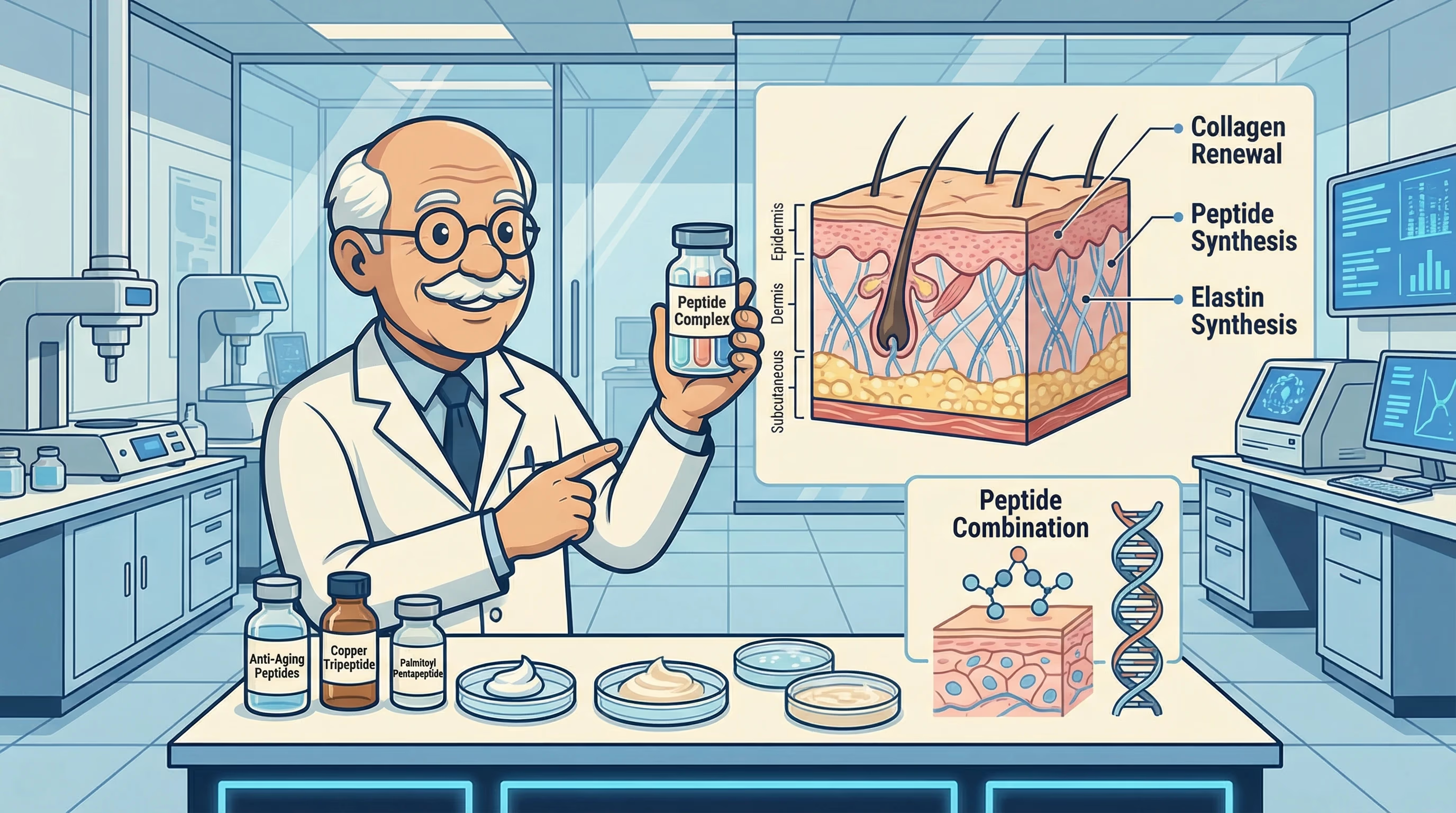
The application of peptides in skincare is not a new concept. Various peptide combinations have been studied for their potential anti-aging benefits, including whitening, moisturizing, and anti-aging activities[2]. For instance, signal peptides, which can stimulate collagen and elastin production, are increasingly used in cosmetics due to their potential to improve skin firmness and elasticity, reduce wrinkles, and enhance skin hydration[1]. Other peptides, such as those derived from natural sources like collagen or ginseng, have also shown efficacy in skincare[3][7].
# Preclinical Research
Preclinical studies have provided valuable insights into the mechanisms by which peptide combinations exert their anti-aging effects. For instance, selenium-enriched mung bean fermentation broth, rich in peptides, has demonstrated whitening, moisturizing, and anti-aging activities in in vitro assays[2]. Similarly, ginseng peptides have shown anti-inflammatory and anti-aging effects, potentially contributing to skin health and longevity[7].
Another interesting development in preclinical research is the exploration of innovative peptide delivery systems. One study designed a supramolecular system incorporating bioactive ionic liquid, peony extract, and peptide, which demonstrated enhanced permeability and synergistic skincare benefits[5].
# Clinical Evidence
Evidence from human studies further supports the effectiveness of peptide combinations in anti-aging skincare. A study investigating a serum containing retinol, hydroxypinacolone retinoate, peptides, and silybin showed significant improvements in mild photoaged facial skin in middle-aged Chinese women[6]. Another study reported that multi-peptides–silybin complex exhibited significant anti-aging efficacy, as evidenced by a 56-day clinical evaluation[9].
In addition, the TriHex technology, which utilizes a blend of active peptides, has been advanced to its 2.0 version, demonstrating its continued relevance and effectiveness in promoting skin health[4].
# Safety and Limitations
Despite the promising potential of peptide combinations in anti-aging skincare, there are safety considerations and limitations to bear in mind. While peptides are generally considered safe, individual tolerance can vary, and some people may experience skin irritation or allergic reactions[8]. Furthermore, the stability and bioavailability of peptides can pose challenges, as they are susceptible to degradation and may have limited skin penetration[8].
In terms of research limitations, many studies involve small sample sizes and short-term evaluations, which may not fully capture the long-term safety and efficacy of peptide-based products[10]. Moreover, the lack of standardized testing protocols and outcome measures across studies makes it difficult to compare results and draw definitive conclusions[10].
# Key Takeaways
Peptide combinations offer a promising avenue in anti-aging skincare research, with evidence spanning from preclinical to clinical studies. They have demonstrated potential benefits in improving skin firmness and elasticity, reducing wrinkles, and enhancing skin hydration. However, more rigorous and standardized research is needed to fully establish the long-term safety and efficacy of these peptide-based products. As with any skincare ingredient, individual tolerance and response can vary, and it is recommended to consult with a healthcare professional or dermatologist before incorporating new products into a skincare routine.
Last updated: January 14, 2026