Anti-Aging Peptides Intermediate Level 3 min read
NAD+ Precursors and Peptide Combinations in Aging Research
NAD+ precursor and peptide combination research examines synergistic anti-aging applications in clinical study protocols. Research methodologies investigate cel...
By Professor Peptides Editorial Team
January 1, 2025
409 words
# Introduction
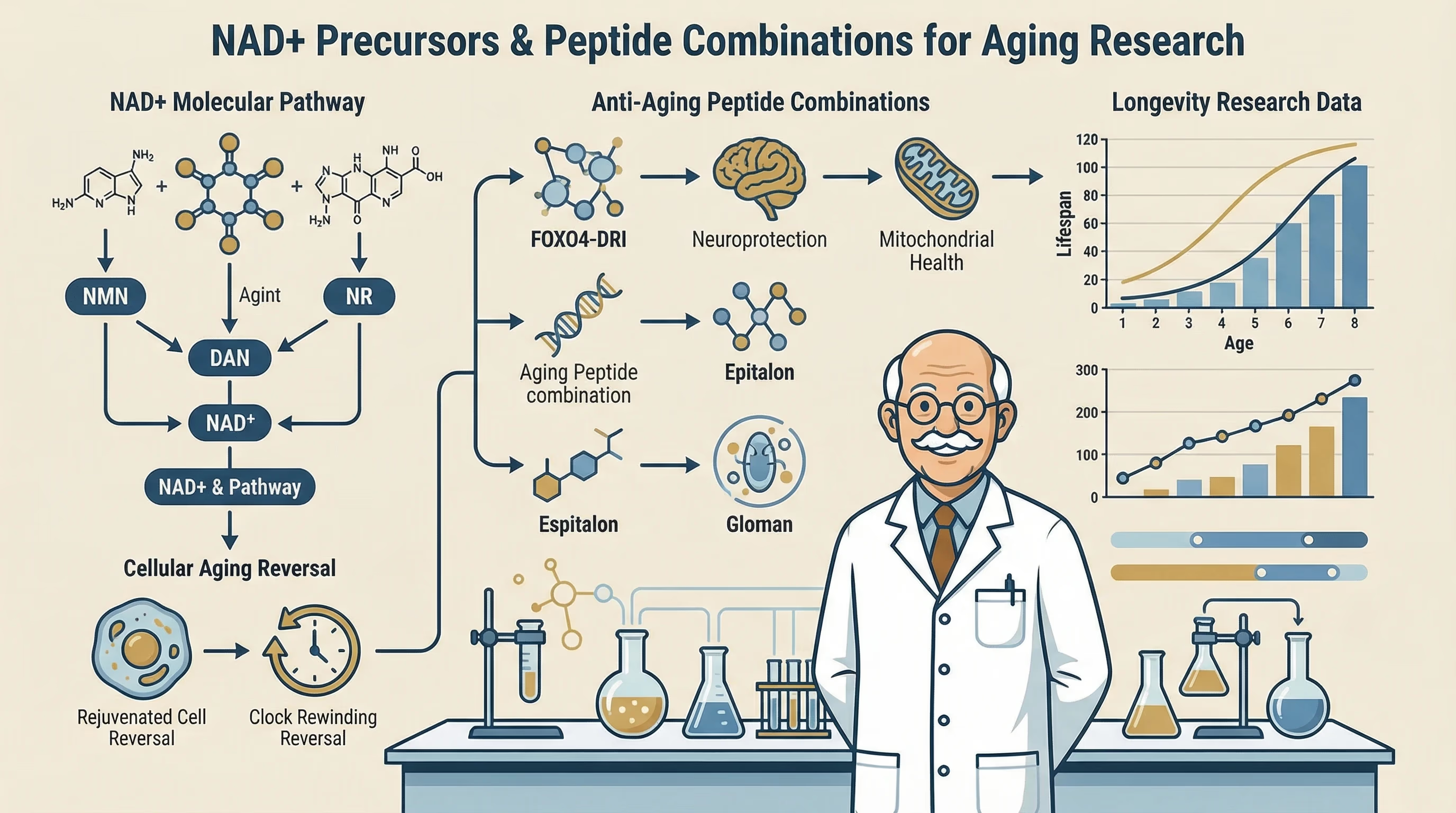
Aging, a complex biological process, has been the subject of extensive research. The development and progression of aging are influenced by various factors, including cellular metabolism, reactive oxygen species, and the availability of crucial biochemicals such as Nicotinamide Adenine Dinucleotide (NAD+)[2][3]. NAD+ is a critical coenzyme involved in numerous biological processes, including energy metabolism, cellular repair, and circadian rhythm regulation[4][5]. This review focuses on the role of NAD+ precursors and peptide combinations in aging research.
# NAD+ Precursors
NAD+ precursors represent a promising avenue in aging research due to their role in NAD+ biosynthesis. Two main NAD+ precursors are Nicotinamide Mononucleotide (NMN) and Nicotinamide Riboside (NR) [6].
## Preclinical Research
Preclinical studies suggest that NMN and NR play crucial roles in the modulation of NAD+ levels. These precursors are metabolized into NAD+, thus contributing to the regulation of various cellular processes, including redox reactions and energy transfer[1][5].
## Clinical Evidence
Clinical evidence regarding the impact of NAD+ precursors on aging is limited. However, the crucial role of NAD+ in various physiological processes suggests that maintaining optimal NAD+ levels could hold potential benefits in countering aging and age-related diseases[2][3].
# Peptide Combinations
Peptide combinations, specifically those involved in modulating NAD+ levels, may also hold potential in aging research.
## Preclinical Research
Peptides can influence cellular processes by interacting with various pathways. For instance, some peptides have been found to potentiate the effects of NAD+ by inhibiting the enzyme CD38, thereby enhancing the availability of NAD+ in cells[7].
## Clinical Evidence
Direct human evidence regarding the impact of peptide combinations on aging is not present in the provided citations. Therefore, it is not possible to make definitive claims about their role in aging based on the available evidence.
# Safety and Limitations
While NAD+ precursors and peptide combinations hold promise in aging research, their safety and efficacy must be evaluated carefully. For instance, the potential side effects and long-term impacts of these interventions are not fully understood. Additionally, more clinical trials are needed to validate the findings from preclinical studies and to understand the exact mechanisms by which these interventions may influence aging[6][7].
# Key Takeaways
NAD+ precursors and peptide combinations represent emerging areas of interest in aging research. Preclinical studies suggest that these interventions may have potential benefits in modulating NAD+ levels and influencing aging processes. However, further clinical studies are needed to confirm these findings and to ascertain the safety and efficacy of these interventions in humans.
Research Disclaimer: This content is for educational and research purposes only. Not intended as medical advice. Always consult qualified healthcare professionals for medical guidance. Information presented is based on current research which may be preliminary or ongoing.
Last updated: January 14, 2026