Anti-Aging Peptides 3 min read
Epithalon: Telomerase Activation Research and Longevity Studies
Epithalon research examines telomerase activation mechanisms and cellular aging applications in clinical study protocols. Research methodologies investigate tet...
By Professor Peptides Editorial Team
January 1, 2025
590 words
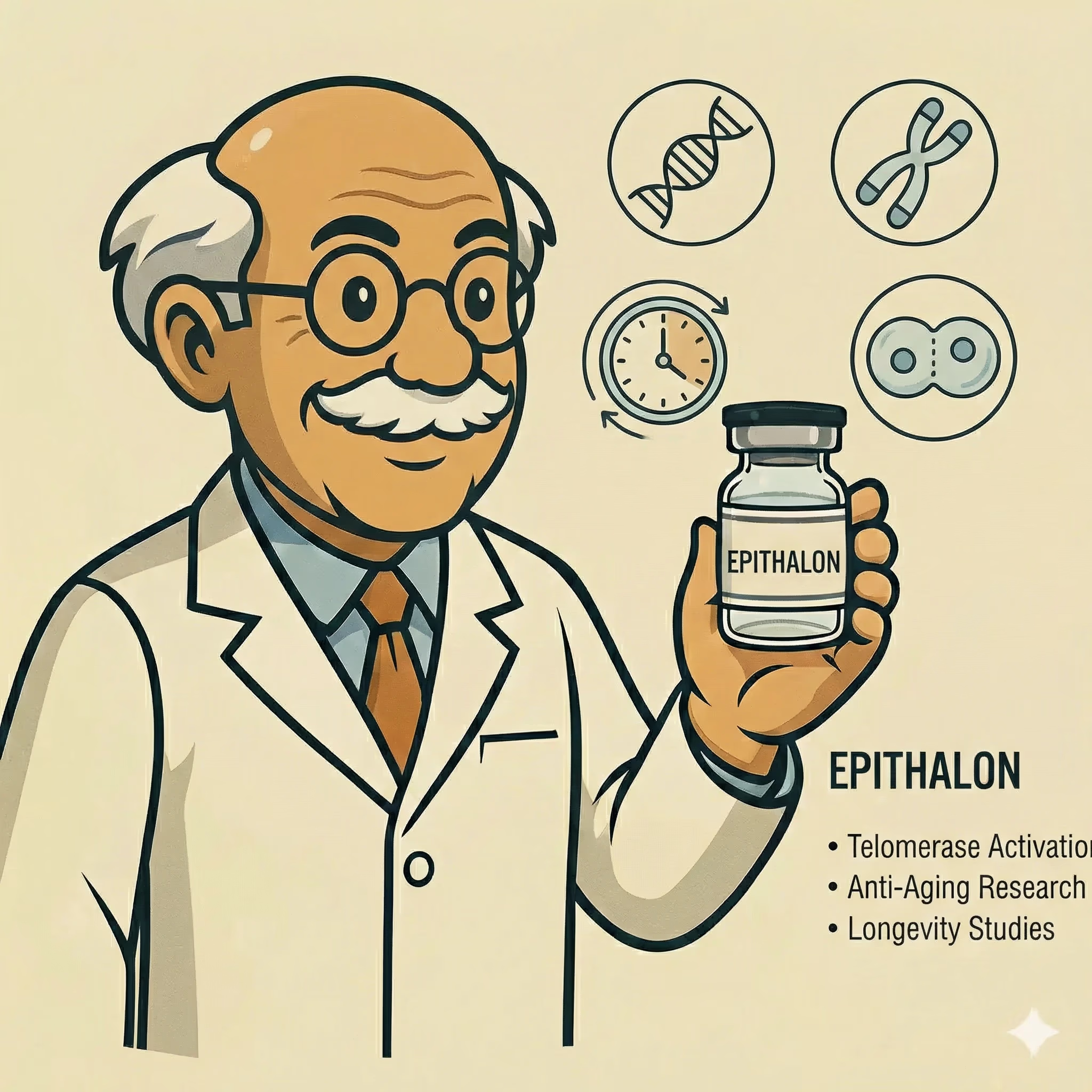
# Epithalon: Telomerase Activation Research and Longevity Studies
This review aims to provide a comprehensive understanding of Epithalon, a tetrapeptide with promising bioactive properties[6], and its role in activating telomerase, a crucial enzyme in cellular aging and longevity. The primary focus will be on preclinical research, evidence from clinical trials, and potential safety concerns.
## Preclinical Research
Epithalon, also known as Epitalon, is a synthetic tetrapeptide composed of four amino acids[6]. It was originally derived from the pineal gland and has shown potential in influencing telomere length and cellular longevity[1][2][3].
Telomeres are the protective caps at the ends of our chromosomes, which shorten as cells divide. When telomeres become too short, the cell can no longer divide and becomes inactive or dies. This process of telomere shortening is associated with aging, cancer, and a higher risk of death. On the other hand, enzymes known as telomerases can extend the length of telomeres, potentially extending the lifespan of cells and counteracting the aging process[1][2][3].
In preclinical studies, Epithalon has shown potential to increase telomere length by upregulating telomerase activity[1][2][3]. These studies, conducted primarily on human cell lines, have shown that the peptide could promote the overcoming of divisional limits in human somatic cells[1]. This implies that Epithalon may have potential applications in delaying cellular aging and extending cellular lifespan.
In addition, Epithalon has been shown to protect against post-ovulatory aging-related damage in mouse oocytes in vitro[5]. This suggests potential applications in reproductive biology and fertility preservation.
## Clinical Evidence
While preclinical research provides promising insights into the potential of Epithalon, the clinical evidence is currently limited. The available studies have shown that Epithalon can increase telomere length in human cell lines through telomerase upregulation or Alternative Lengthening of Telomeres (ALT) activity, a mechanism by which some cells can elongate their telomeres without telomerase[2][3].
The findings from these studies suggest that Epithalon may have potential applications in treating age-related diseases or conditions associated with shortened telomeres. However, as these studies were conducted on cell lines, further research involving human participants is necessary to confirm these findings and determine the clinical efficacy and safety of Epithalon.
## Safety and Limitations
The safety profile and potential limitations of Epithalon remain largely unexplored due to the lack of extensive clinical trials. While preclinical studies have demonstrated potential benefits of Epithalon in cellular lifespan extension and protection against oocyte aging, these findings need to be interpreted with caution.
As Epithalon may increase telomere length, one potential concern is that it could potentially promote the growth of cancer cells, as these cells often have high telomerase activity. However, this has not been directly studied and remains speculative.
Additionally, the potential side effects, optimal dosage, and long-term effects of Epithalon are currently unknown. Further research and comprehensive safety assessments are necessary to fully understand the safety profile and potential risks associated with Epithalon use.
## Key Takeaways
Epithalon is a synthetic tetrapeptide that has shown potential in preclinical research to extend telomere length and delay cellular aging through the upregulation of telomerase and ALT activity[1][2][3]. It has also shown potential in protecting against post-ovulatory aging-related damage in mouse oocytes, suggesting potential applications in reproductive biology[5].
However, the clinical evidence is limited and further research involving human participants is necessary to confirm these findings and determine the clinical efficacy and safety of Epithalon. Additionally, the safety profile and potential limitations of Epithalon remain largely unexplored.
Overall, while Epithalon has shown promising potential in preclinical research, a comprehensive understanding of its effects, safety profile, and potential applications requires further investigation.
Last updated: January 13, 2026