Cosmetic Peptides Intermediate Level 3 min read
Copper Peptides in Dermatological Research Applications
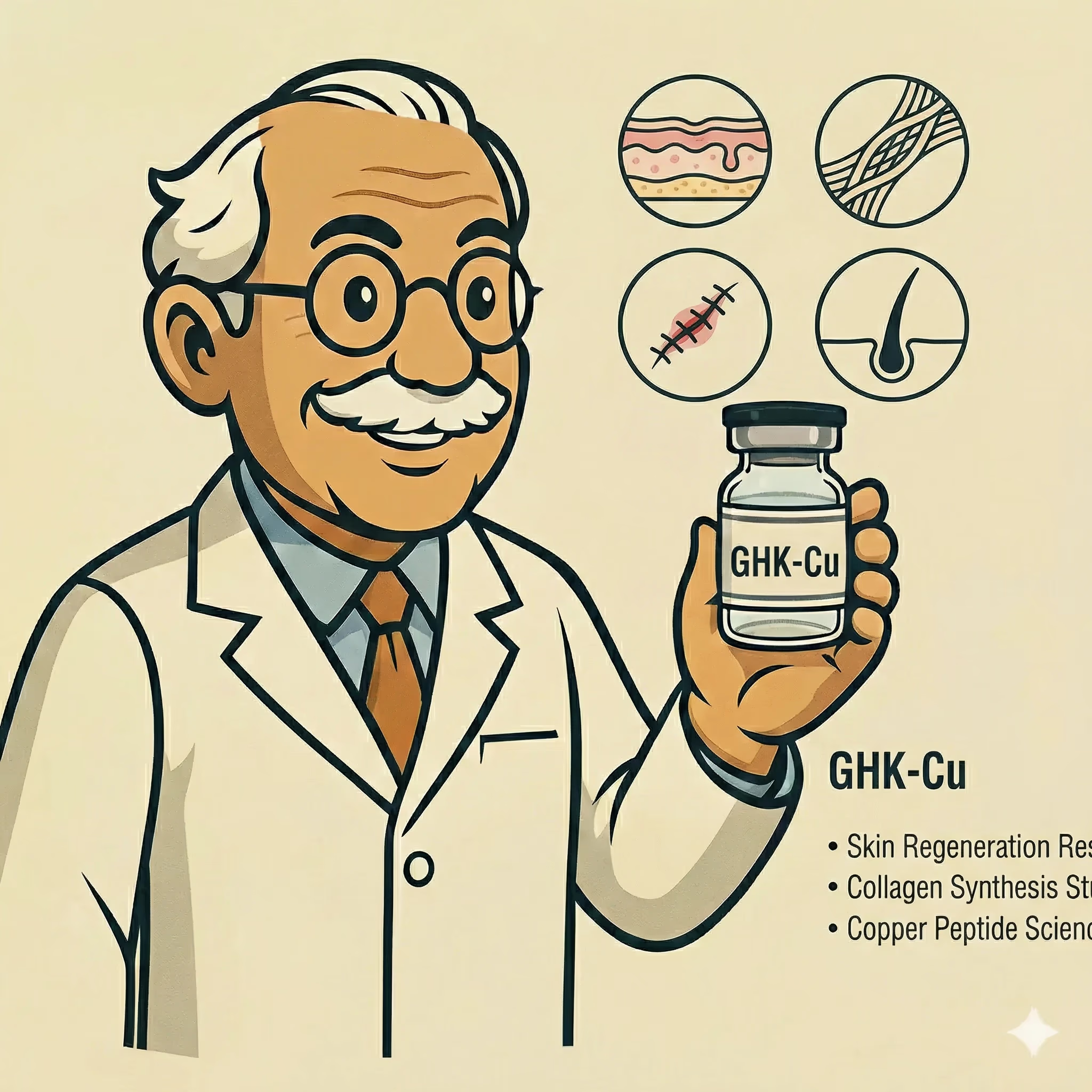
Copper peptides (GHK-Cu) function as tissue remodeling promoters in dermatological research studies. Laboratory investigations examine their role in collagen sy...
By Professor Peptides Editorial Team
January 1, 2025
543 words
# Copper Peptides in Dermatological Research Applications
Copper peptides are small protein fragments that are naturally produced in human tissues. They have been found to play a pivotal role in numerous biological functions, including wound healing, inflammation, and antioxidant defense [9][10]. In the field of dermatology, copper peptides are emerging as a promising area of research. This article will focus on the application of copper peptides in dermatological research and the potential benefits and limitations of their use.
## Preclinical Research
Copper peptides have been extensively studied in preclinical research for their potential benefits in skin health. In vitro studies have shown positive effects of copper peptides on human skin organ culture. A study by Cohen et al. [1] demonstrated that topically applied copper(II) oxide nanoparticles did not show significant cytotoxicity in human skin organ culture. This suggests that copper peptides may be safe for topical use on the skin.
The same study also revealed that copper peptides could potentially enhance wound healing [1]. This is in line with the known property of copper peptides to stimulate collagen production, which is crucial for skin regeneration and wound healing.
Furthermore, a research by Hostynek et al. [9][10] demonstrated that a copper tripeptide could penetrate human skin in vitro. The ability of copper peptides to penetrate the skin enhances their potential as a therapeutic agent in dermatological applications.
## Clinical Evidence
Despite the promising results in preclinical research, direct human clinical evidence supporting the use of copper peptides in dermatology is not present in the provided citations. As such, further research is needed to validate the preclinical findings and to understand the true potential of copper peptides in dermatological applications.
## Safety and Limitations
While preclinical research suggests that copper peptides may be safe for topical use on the skin, their safety profile in humans remains to be fully established. According to Shah and Lipner [6], there are unsubstantiated claims about the dermatological applications of copper peptides. This highlights the need for rigorous, well-designed clinical trials to conclusively determine the safety and efficacy of copper peptides in dermatology.
It is also worth noting that the use of copper peptides may be associated with certain limitations. For instance, the ability of these peptides to penetrate the skin could potentially be influenced by various factors, such as the condition of the skin and the formulation of the product [9][10].
## Key Takeaways
Copper peptides hold promise in the field of dermatological research due to their potential to promote wound healing, stimulate collagen production, and exert anti-inflammatory effects. Preclinical research has shown that copper peptides may be safe for topical use on the skin and have the ability to penetrate the skin, enhancing their potential as a therapeutic agent in dermatology.
However, direct human clinical evidence supporting these claims is currently lacking, and there are unsubstantiated claims about the dermatological applications of copper peptides. As such, further research is needed to validate the potential benefits of copper peptides in dermatology and to conclusively determine their safety profile in humans.
Finally, the ability of copper peptides to penetrate the skin could be influenced by various factors, posing potential challenges in their use. Despite these limitations, the emerging research on copper peptides in dermatology is encouraging and warrants further exploration.
Research Disclaimer: This content is for educational and research purposes only. Not intended as medical advice. Always consult qualified healthcare professionals for medical guidance. Information presented is based on current research which may be preliminary or ongoing.
Last updated: January 14, 2026