General 3 min read
Cerebrolysin: Neuroprotective Peptide Research
By Professor Peptides Editorial Team
January 1, 2025
548 words
# Introduction
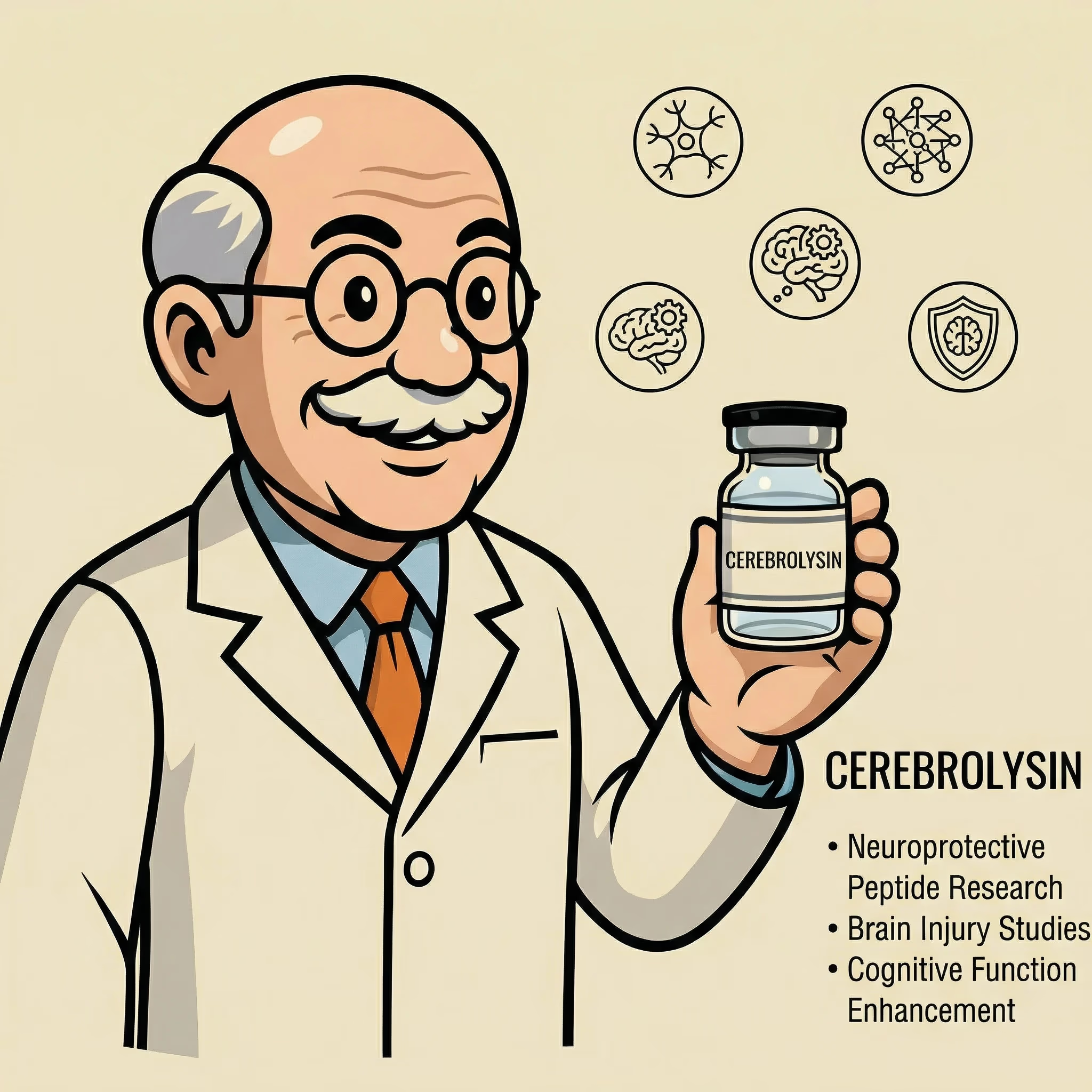
Cerebrolysin is a peptide-based drug used in the treatment of cognitive disorders, stroke, and neurodegenerative diseases[1]. It comprises low-molecular-weight peptides and amino acids, which are similar in composition to endogenous neurotrophic factors, promoting functional recovery and neuroprotection after brain injury[2]. This review focuses on the use of Cerebrolysin in neuroprotective peptide research, particularly its application in acute ischemic stroke treatment.
# Preclinical Research
The exact mechanism of action of Cerebrolysin is not fully understood but it is believed to be neuroprotective, promoting neuronal survival and preventing apoptosis, a process of programmed cell death[2]. One study suggested that Cerebrolysin might improve neurological function after stroke through the Sonic Hedgehog signaling pathway, a molecular pathway involved in the regulation of embryonic development and tissue regeneration[11]. However, more preclinical studies are necessary to fully elucidate the mechanism of action of Cerebrolysin and its specific role in the Sonic Hedgehog signaling pathway.
# Clinical Evidence
## Acute Ischemic Stroke
Multiple studies have investigated the efficacy of Cerebrolysin for neurorecovery after acute ischemic stroke[1][2][3]. In a systematic review and meta-analysis of 14 randomized controlled trials, Cerebrolysin was found to be safe and effective for neurorecovery after acute ischemic stroke[1]. Moreover, a network meta-analysis indicated that Cerebrolysin is one of the most effective neuroprotective drugs for improving neurological function and prognosis in acute ischemic stroke[2][3].
## Speech Recovery
Cerebrolysin has also been studied as an adjuvant therapy for enhancing nonfluent aphasia recovery after acute ischemic stroke. One study found that when combined with speech therapy, Cerebrolysin significantly enhanced speech recovery[4].
## Large Vessel Occlusion Stroke
In the context of large vessel occlusion cardioembolic stroke, Cerebrolysin was found to be beneficial as an adjuvant therapy after mechanical thrombectomy[6][7]. A propensity score matching analysis and a 3-month follow-up of a prospective, open label, single-center study both suggested that Cerebrolysin treatment could improve patient outcomes after a large vessel occlusion stroke[6][7].
## Combined Recanalization Therapy
Combining Cerebrolysin with recanalization therapy has been proposed as a potential therapeutic strategy for acute ischemic stroke[10]. The Cerebrolysin and reperfusion therapy combination showed promising results in the CEREHETIS trial[5][10].
# Safety and Limitations
Despite the promising results, it's important to consider the safety and limitations of Cerebrolysin. The evidence supporting its use is largely based on clinical trials, which may have inherent limitations[1][2][3][6][7][8][9]. While these studies found Cerebrolysin to be generally safe, some potential side effects include allergic reactions and fever[1].
There are also limitations related to the optimal timing of anticoagulation resumption in stroke when Cerebrolysin is used[12]. The CEREHETIS trial provided some insights, but further research is required to establish more precise guidelines[12].
# Key Takeaways
Cerebrolysin appears to be a promising neuroprotective agent, particularly for the treatment of acute ischemic stroke and as an adjuvant therapy after mechanical thrombectomy in large vessel occlusion stroke. It has also shown promise in enhancing nonfluent aphasia recovery when combined with speech therapy.
The safety profile of Cerebrolysin is generally favorable, but further research is required, particularly regarding the optimal timing of anticoagulation resumption in stroke. As with all drugs, potential side effects need to be carefully considered and monitored.
Overall, while the clinical evidence is supportive of Cerebrolysin's neuroprotective effects, more research is needed to fully understand its mechanisms of action and to optimize its use in clinical practice.
Last updated: January 14, 2026