General Intermediate Level 3 min read
Adipotide: Experimental Fat Loss Research
By Professor Peptides Editorial Team
January 1, 2025
590 words
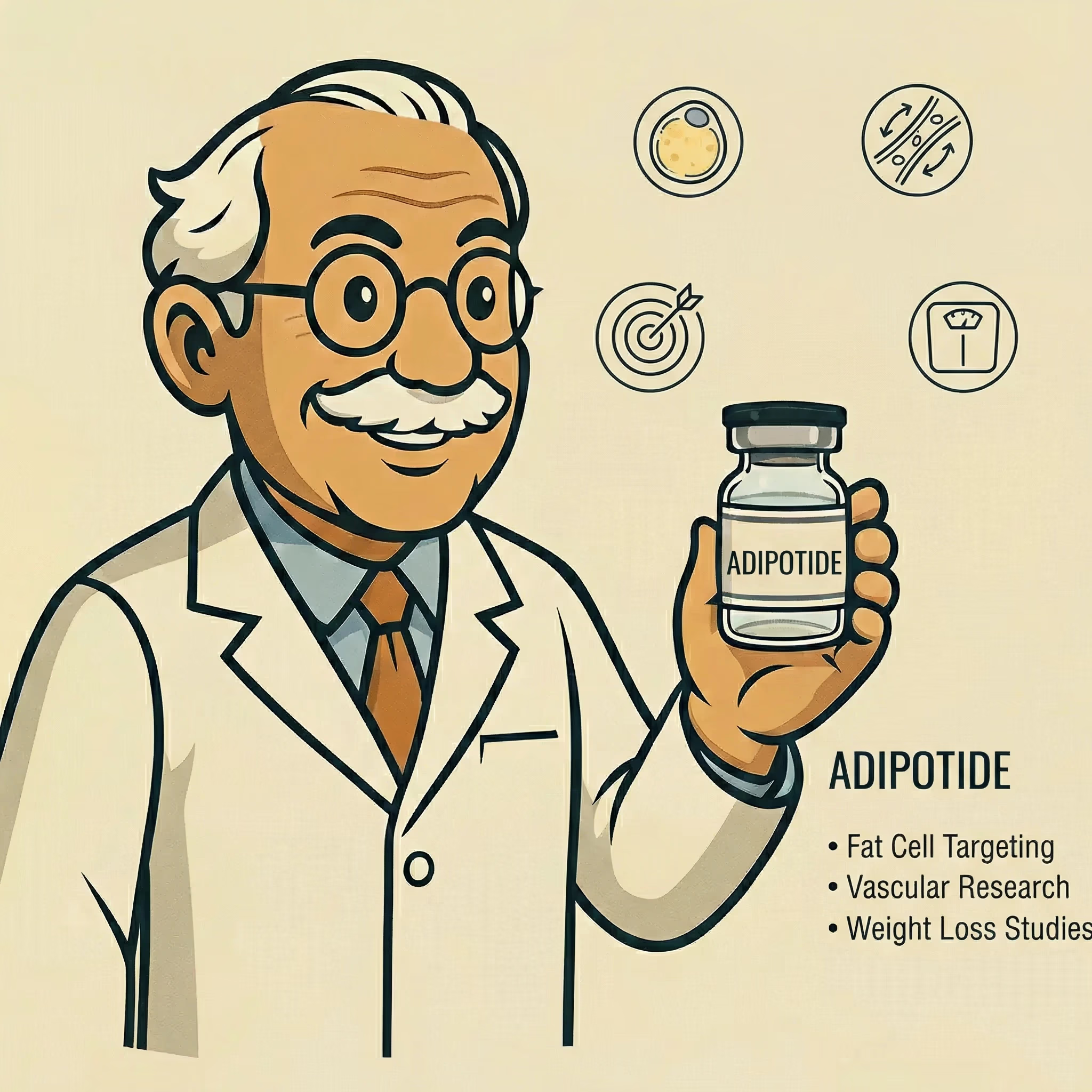
# Adipotide: Experimental Fat Loss Research
Adipotide is a unique experimental treatment designed to induce fat loss. This peptidomimetic was developed to target and induce apoptosis, or programmed cell death, in the endothelial cells of white adipose tissue [1][6]. It represents a novel approach to obesity treatment, focusing on the vascular system of fatty tissue rather than directly targeting metabolic processes or fat cells themselves. As obesity is linked to several health conditions, including type 2 diabetes and cardiovascular disease, the development of effective and safe anti-obesity treatments is crucial [2][4].
## Preclinical Research
Adipotide operates by targeting the vasculature of white adipose tissue. This tissue, also known as white fat, is the primary type of fat in the body and is associated with negative health effects when present in excess [6]. By inducing apoptosis in the endothelial cells that supply this tissue, Adipotide disrupts the nutrient and oxygen supply, leading to fat cell death and a reduction in fat mass [1][6].
Studies conducted on obese monkeys demonstrated significant weight loss following treatment with Adipotide. Notably, this weight loss was not associated with changes in food intake, suggesting that the effect was due to increased fat breakdown rather than reduced energy intake [6].
The effects of Adipotide were seen rapidly and were not dependent on the initial body weight of the subjects. This suggests that the drug could be effective across a wide range of body weights and obesity levels [1].
Additionally, the research showed that the weight loss induced by Adipotide was associated with improvements in insulin resistance, a key factor in the development of type 2 diabetes [1][6].
## Clinical Evidence
Despite the promising preclinical findings, there is currently no clinical evidence available on the use of Adipotide in humans, as the drug has not yet progressed to clinical trials. Therefore, it remains uncertain whether the fat loss and improvements in insulin resistance observed in preclinical studies would translate to humans.
## Safety and Limitations
While the results of preclinical studies on Adipotide are promising, the safety profile of the drug is not yet fully understood. In the study on obese monkeys, some subjects developed acute kidney injury, a serious condition that can lead to permanent kidney damage if not promptly addressed [6].
Furthermore, the long-term effects of Adipotide are unknown. Chronic use of a drug that induces apoptosis in endothelial cells could potentially have unintended consequences, including effects on non-target tissues. Additionally, it's unclear whether the fat loss achieved with Adipotide would be maintained after treatment is discontinued [6].
The lack of clinical trials also limits the current understanding of Adipotide's safety and efficacy in humans. It's necessary to conduct rigorous, well-designed clinical trials to determine if the benefits observed in preclinical studies translate to humans and to fully assess the drug's safety profile [2].
## Key Takeaways
Adipotide represents a novel approach to the treatment of obesity, focusing on disrupting the blood supply to fat cells rather than targeting metabolic processes or fat cells themselves [1][6].
Preclinical studies have shown significant weight loss and improvements in insulin resistance with Adipotide treatment, without changes in food intake [6]. However, these effects have not yet been studied in humans, and the safety profile of the drug is not fully understood [6].
Further research, including clinical trials, is necessary to determine the potential of Adipotide as a treatment for obesity. In particular, it will be crucial to further investigate the drug's safety profile and to determine whether the effects observed in preclinical studies can be replicated in humans [2][6].
Research Disclaimer: This content is for educational and research purposes only. Not intended as medical advice. Always consult qualified healthcare professionals for medical guidance. Information presented is based on current research which may be preliminary or ongoing.
Last updated: January 14, 2026